I modernized a 40-year-old scheduling system powering millions of automated jobs.
UX OwnerCloud Software Group — WebFOCUS • Sept 2022 – Nov 2023 | Shipped April 2024
My director said — we have this project in the pipeline, I'm yet to assign it to a designer. I said — I'd like to do it. Give me a chance.
~200 people in my business unit. They knew RC existed. They knew it was a scheduling tool. That's it. The only people who knew how to use it were the support team, and ONE engineer who did RC code in the 80s and 90s — still with the company.
No specification. No roadmap. No one had planned any features for RC. 40 years of undocumented decisions buried across 5 subsystems.
I had a sandbox environment, one slide deck from a support lead, and access to customer support calls. That was my entire research foundation.
I went into the sandbox and used RC as much as I could. The lead support guy shared a presentation — that became my bible. I took hundreds of screenshots. Grouped them. Mapped them.
1:1 with customer reps of RC. Regular calls. They knew every workaround, every hack users had invented.
1:1 with that ONE engineer who knew about it. He did RC code in the 80s and 90s — still with the company. My window into decades of undocumented decisions.
I validated everything I had with customer support and customer reps over and over. I was the one person who knew more about ReportCaster workflows than anyone else.
Users hacked the UI to manage distribution lists.
→ Dedicated Distribution List Manager
Users got lost navigating between scheduling and reporting.
→ Context-aware "Schedule This" action
ReportCaster was a product in itself. So huge and so powerful. One customer had 13 million schedules running every day. I thought — that's some powerful shit.
Legacy Context
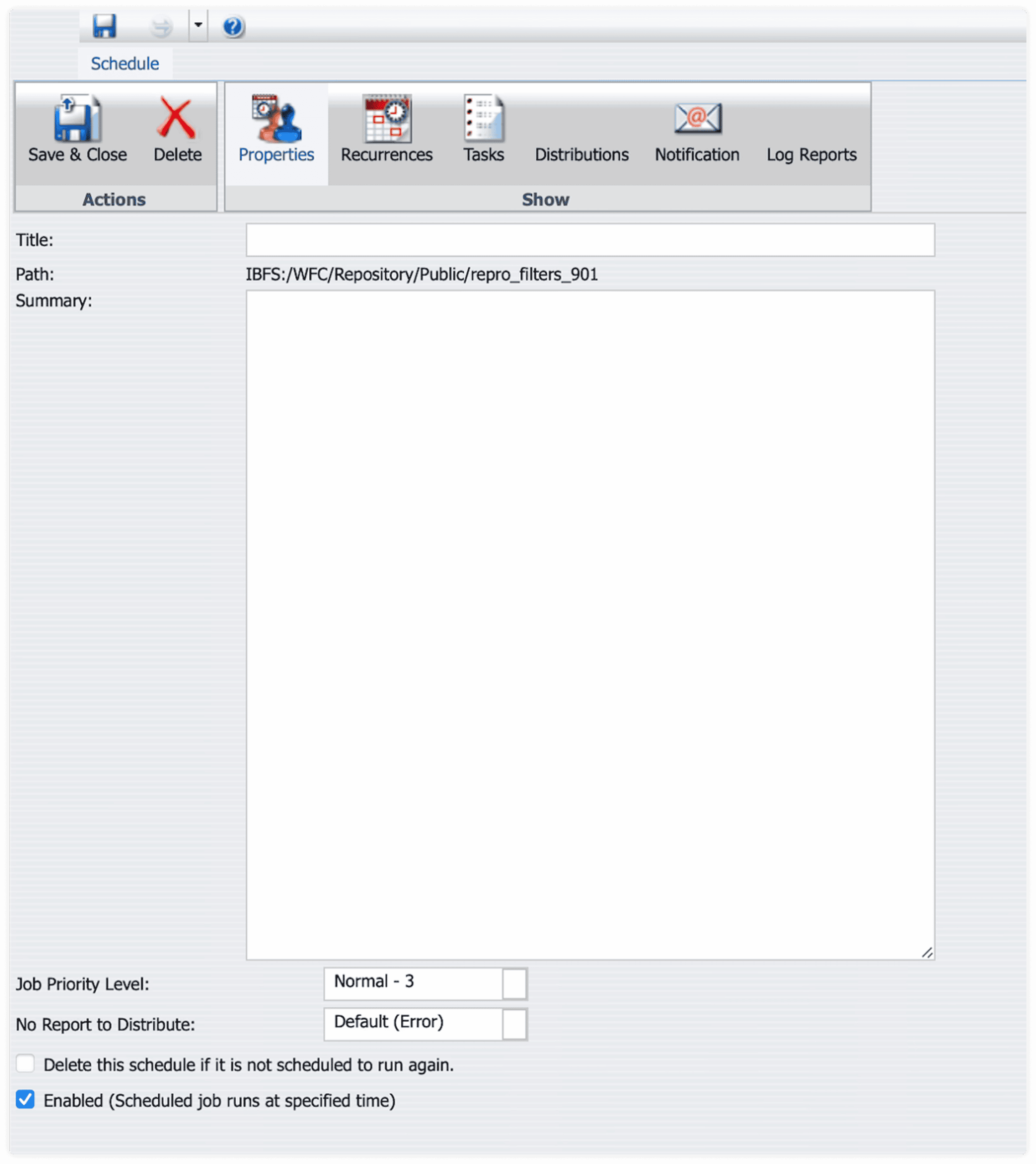
Buried under 4 clicks
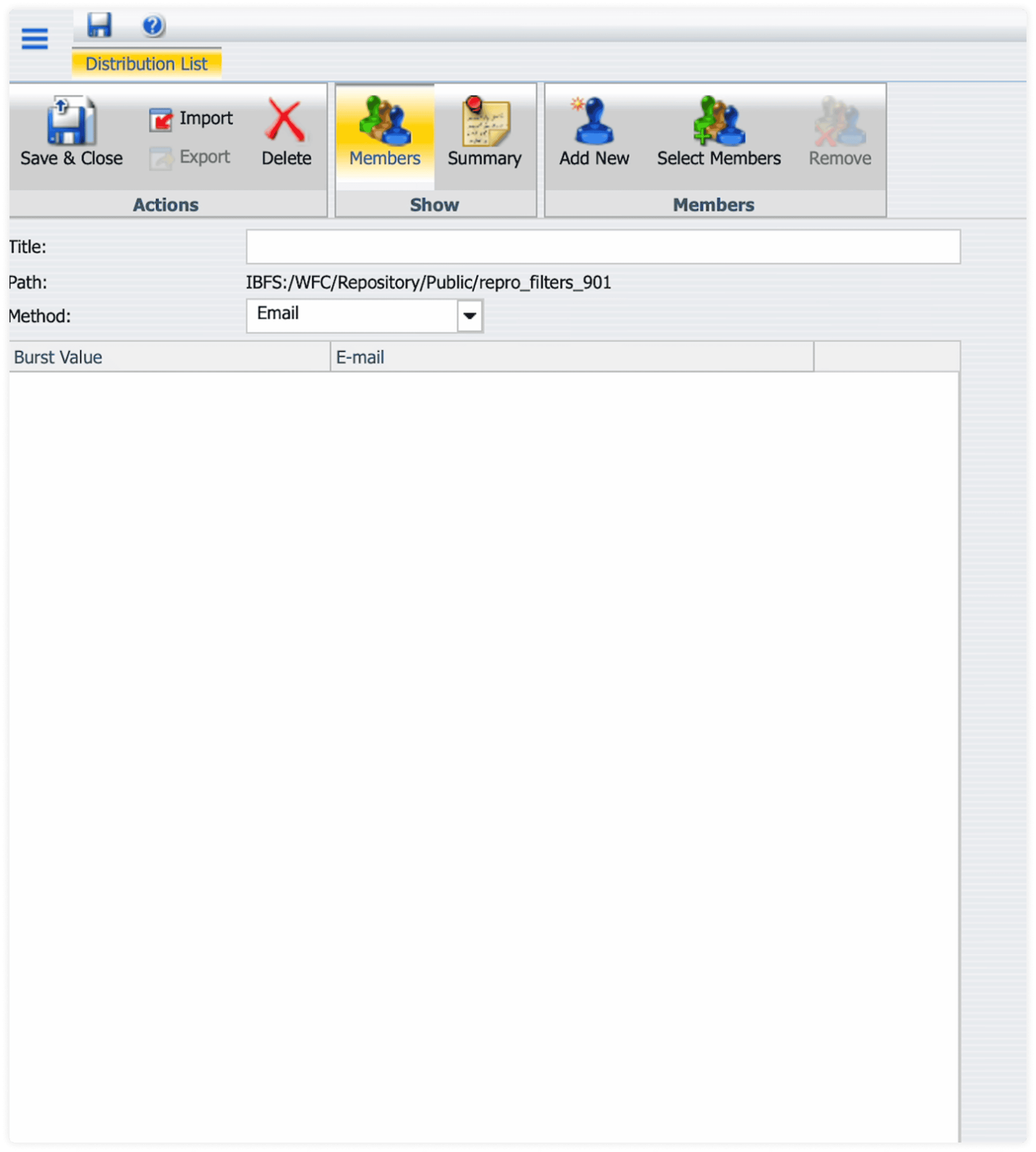
Buried under 4 clicks
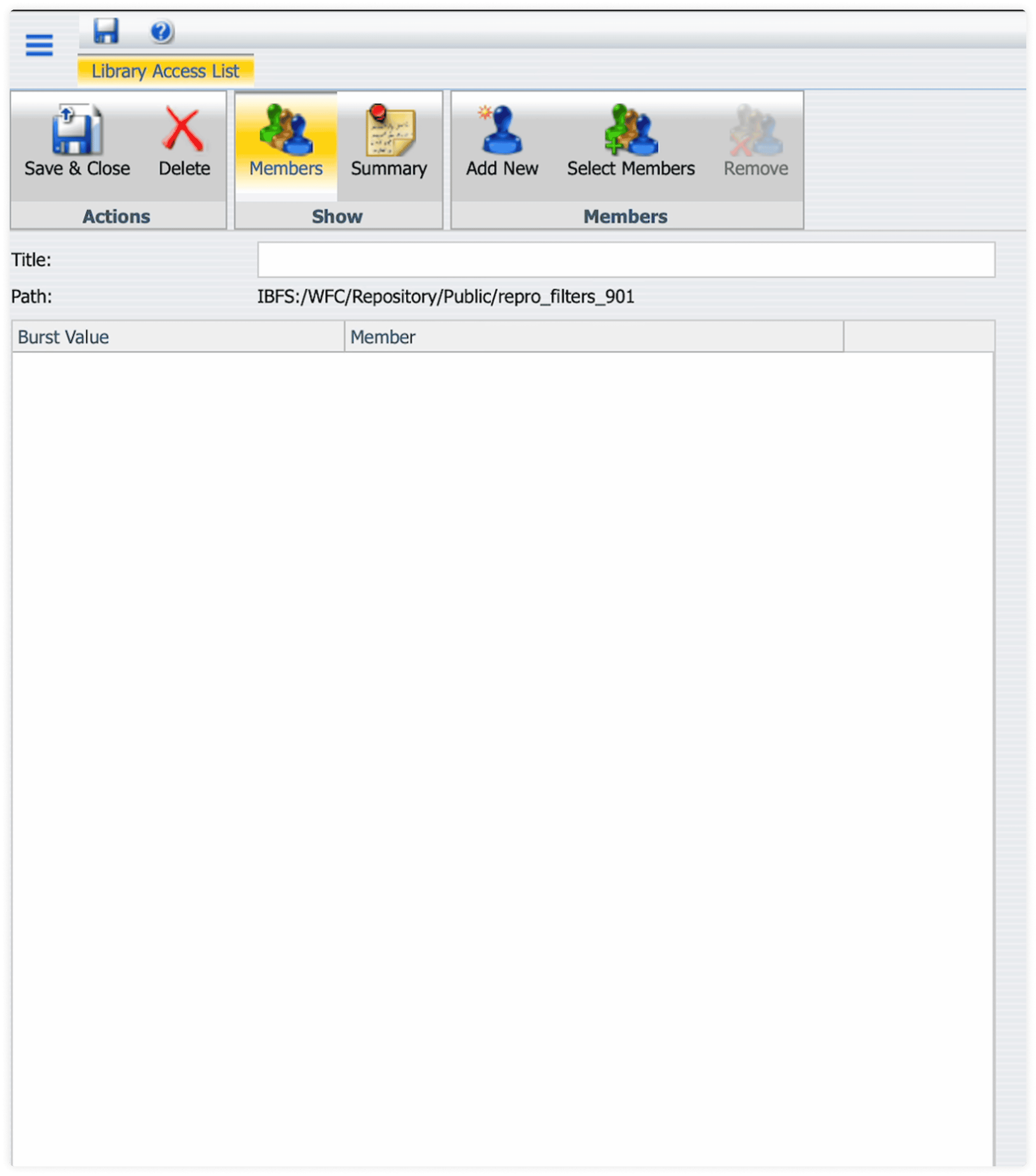
Buried under 4 clicks
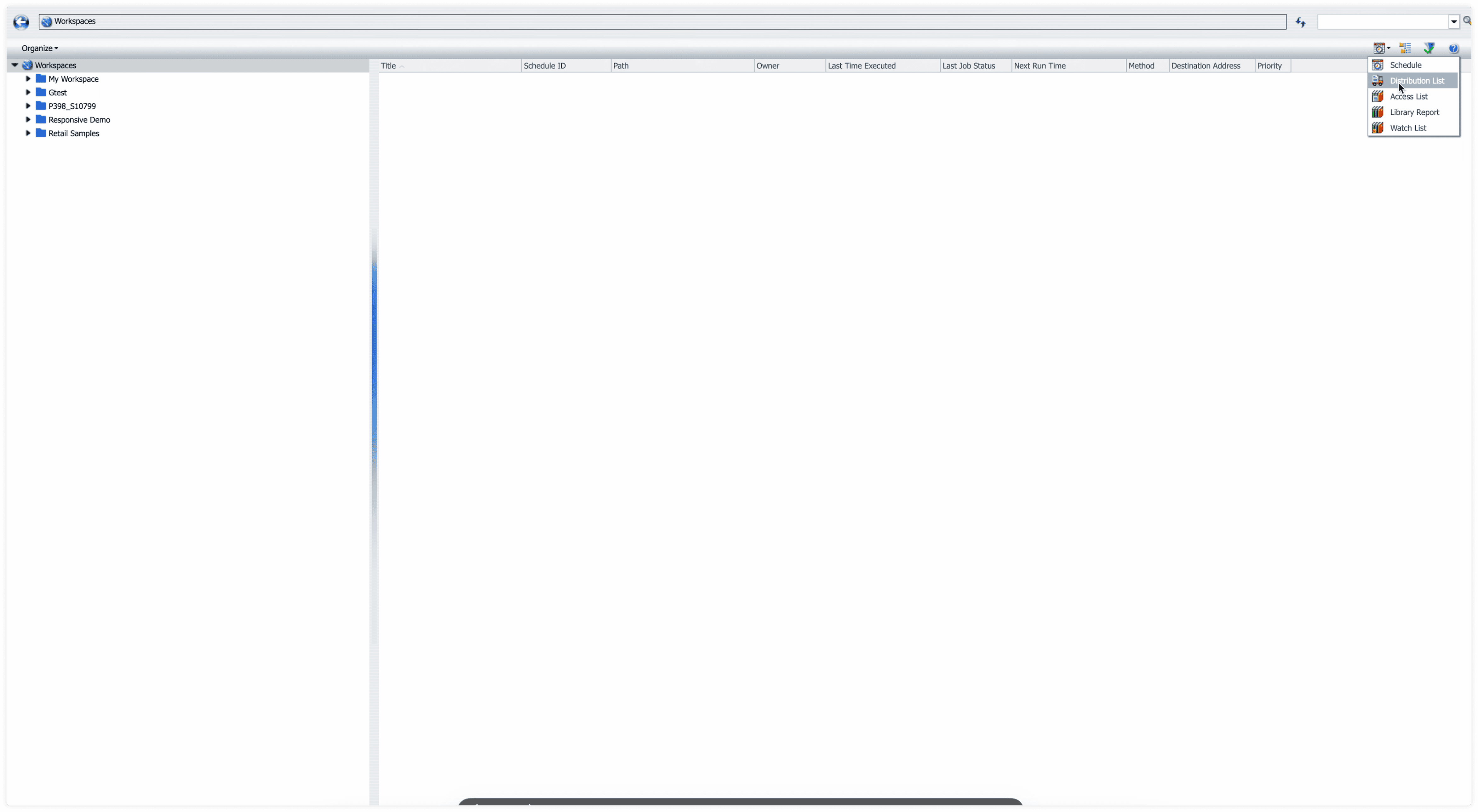
Hidden in hamburger menu
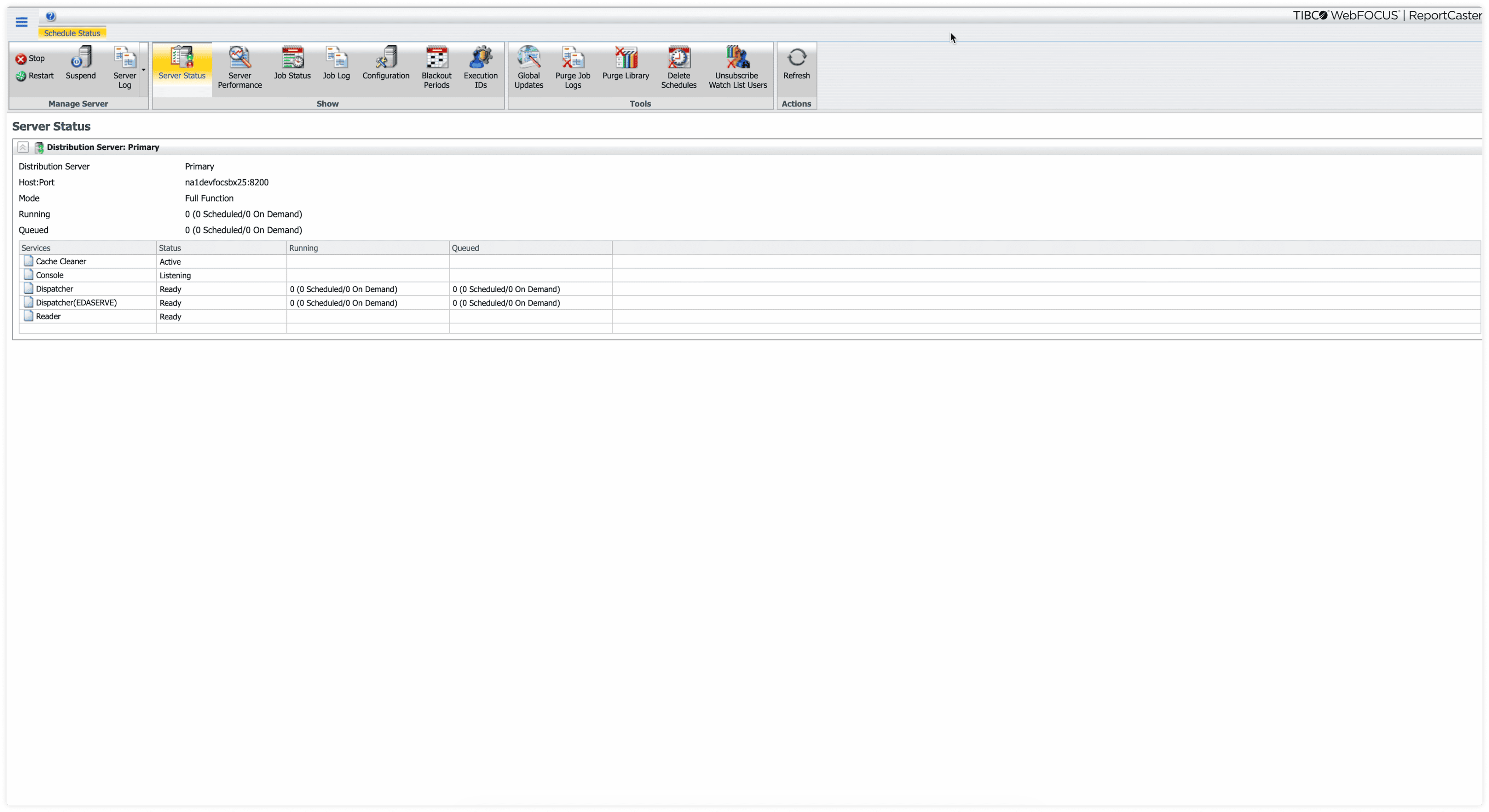
Buried inside Management Center → Admin Console
Mapping the chaos
VIEW PDF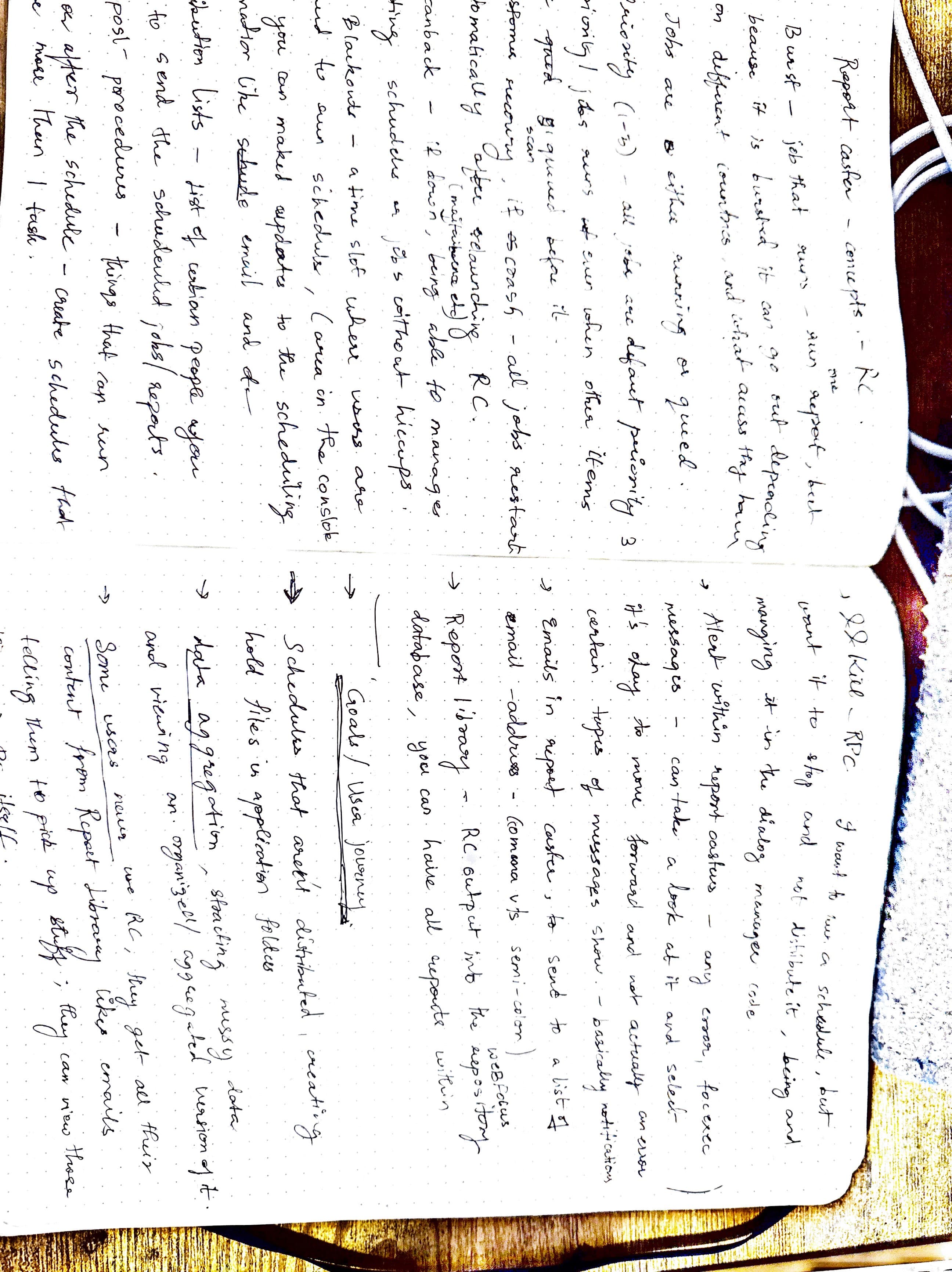
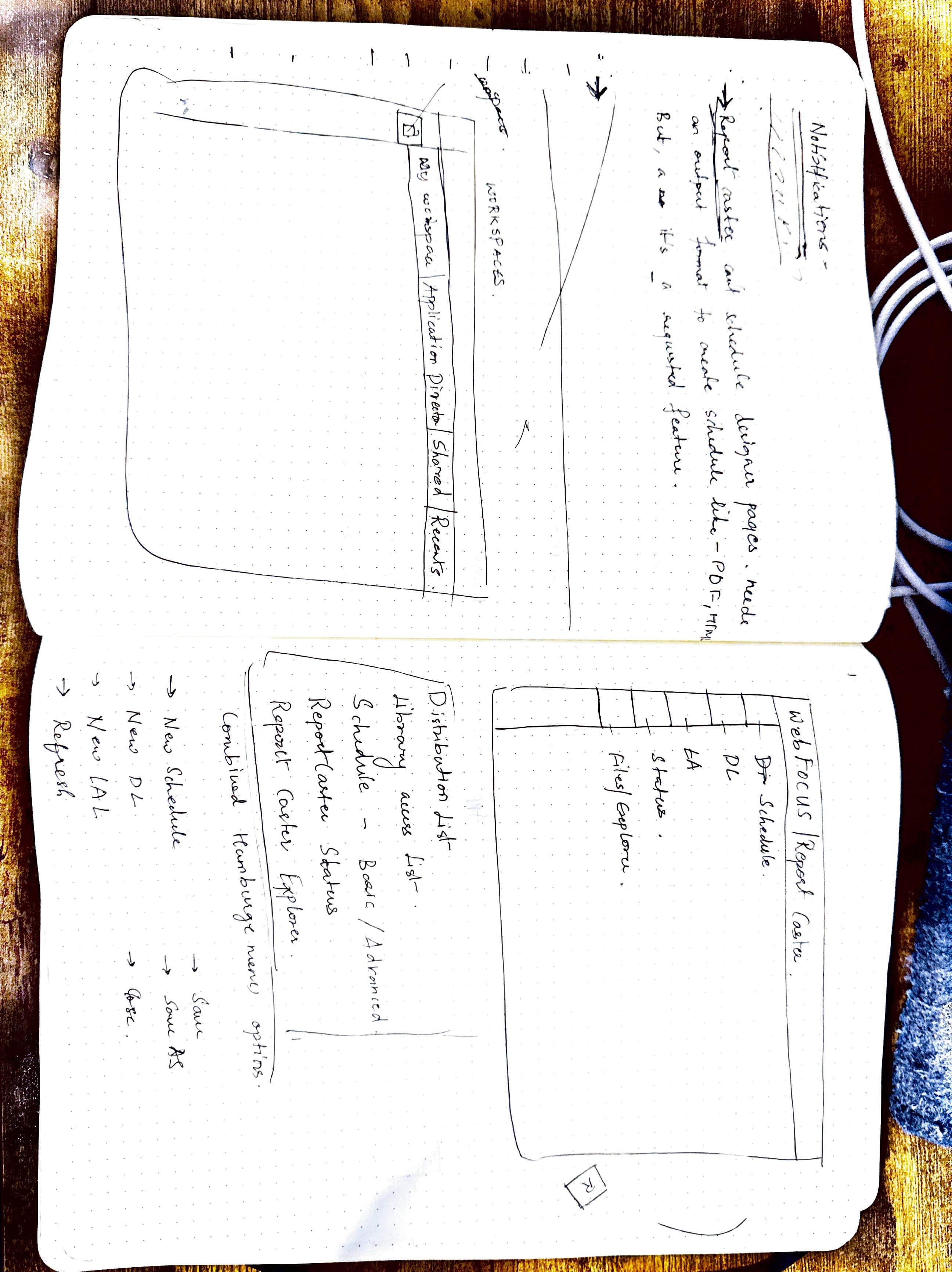
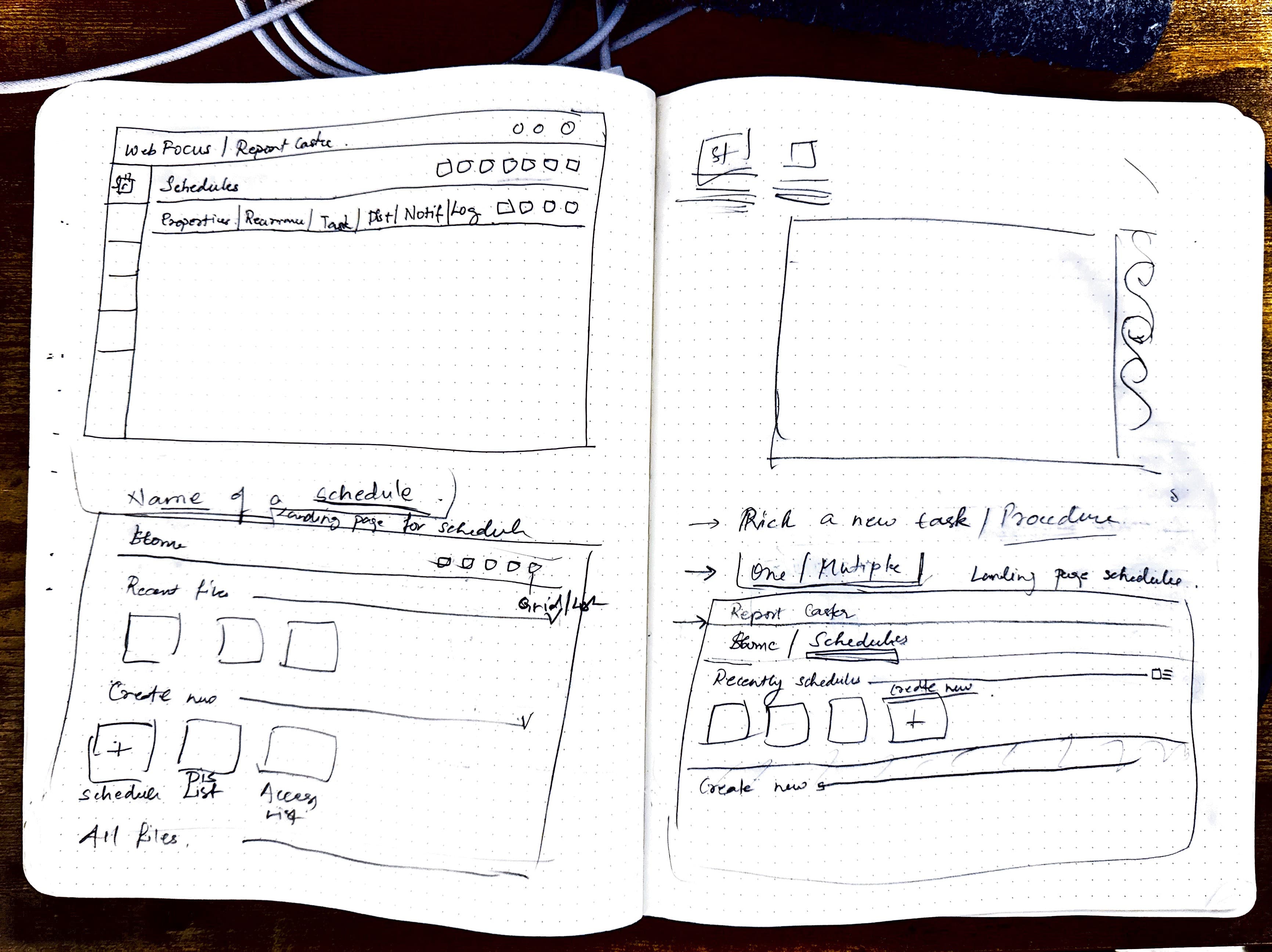
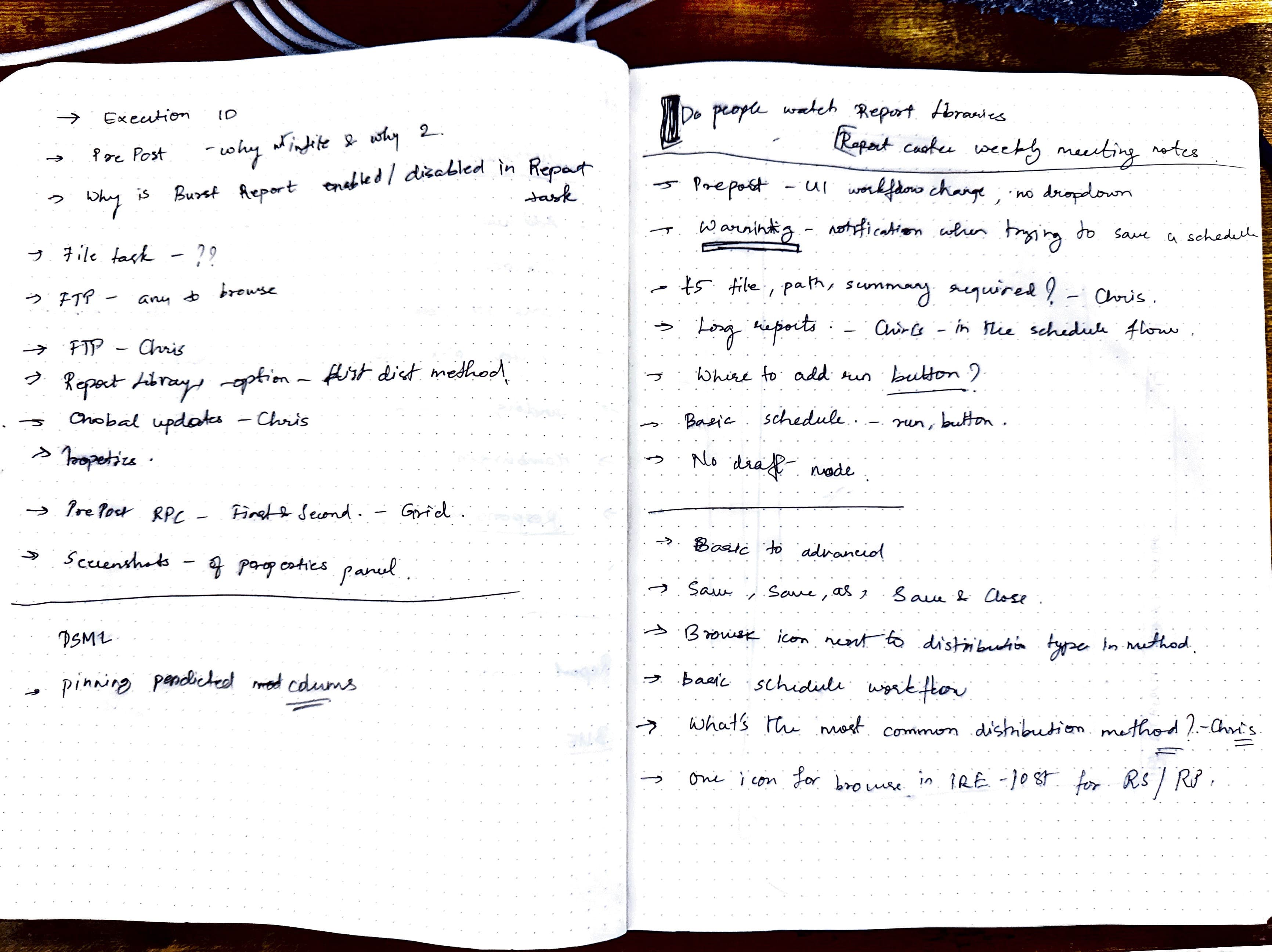
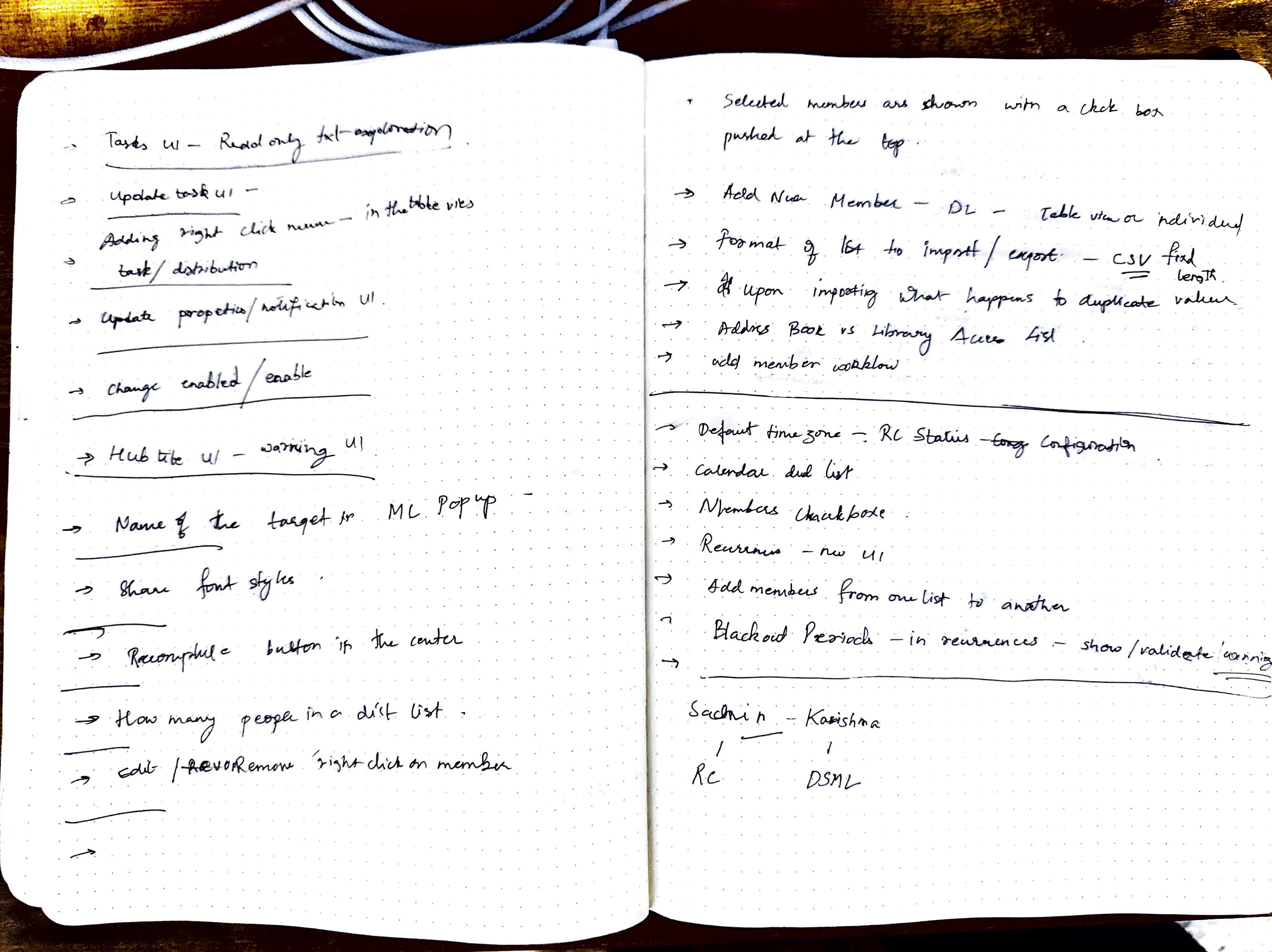
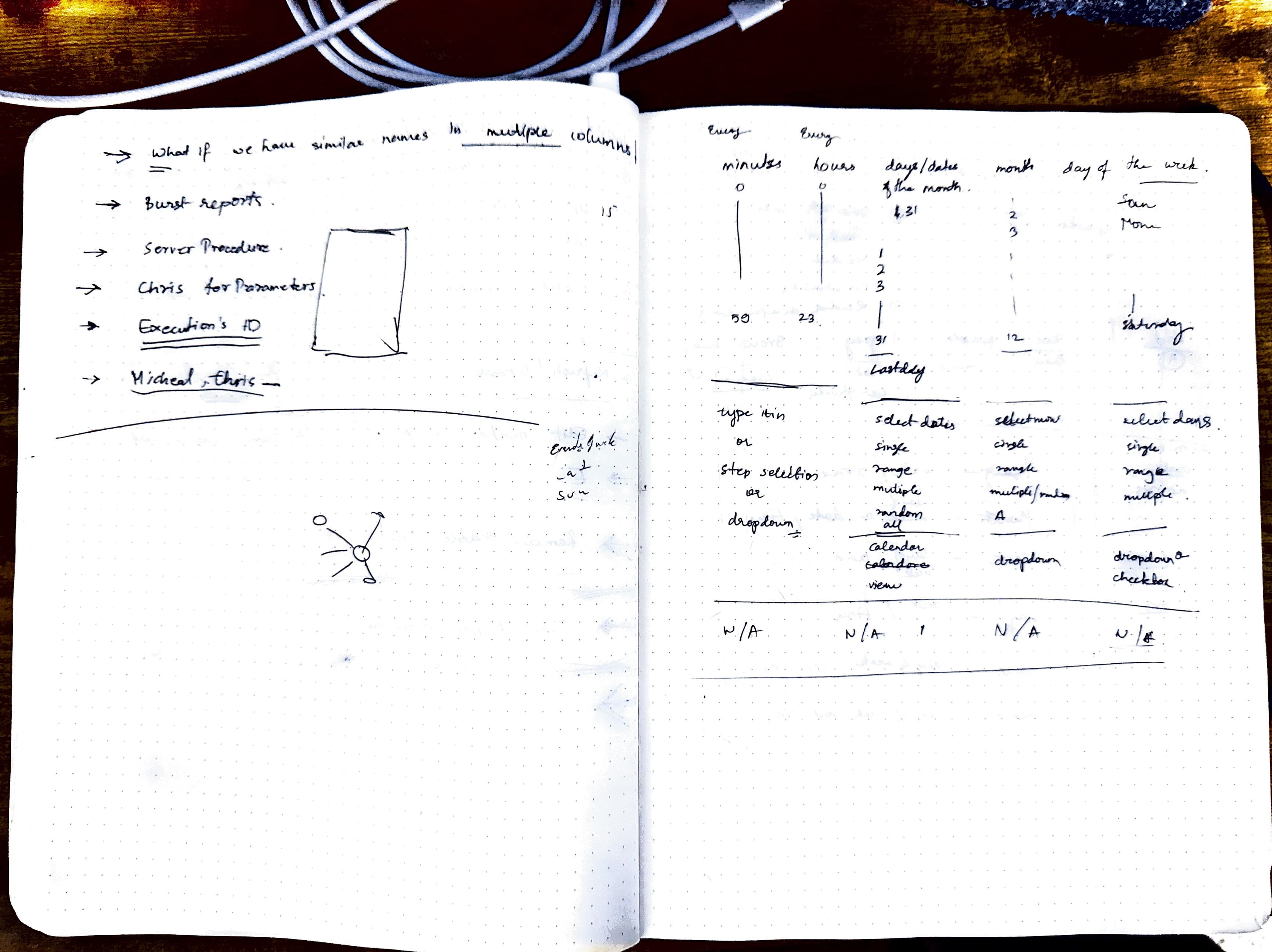
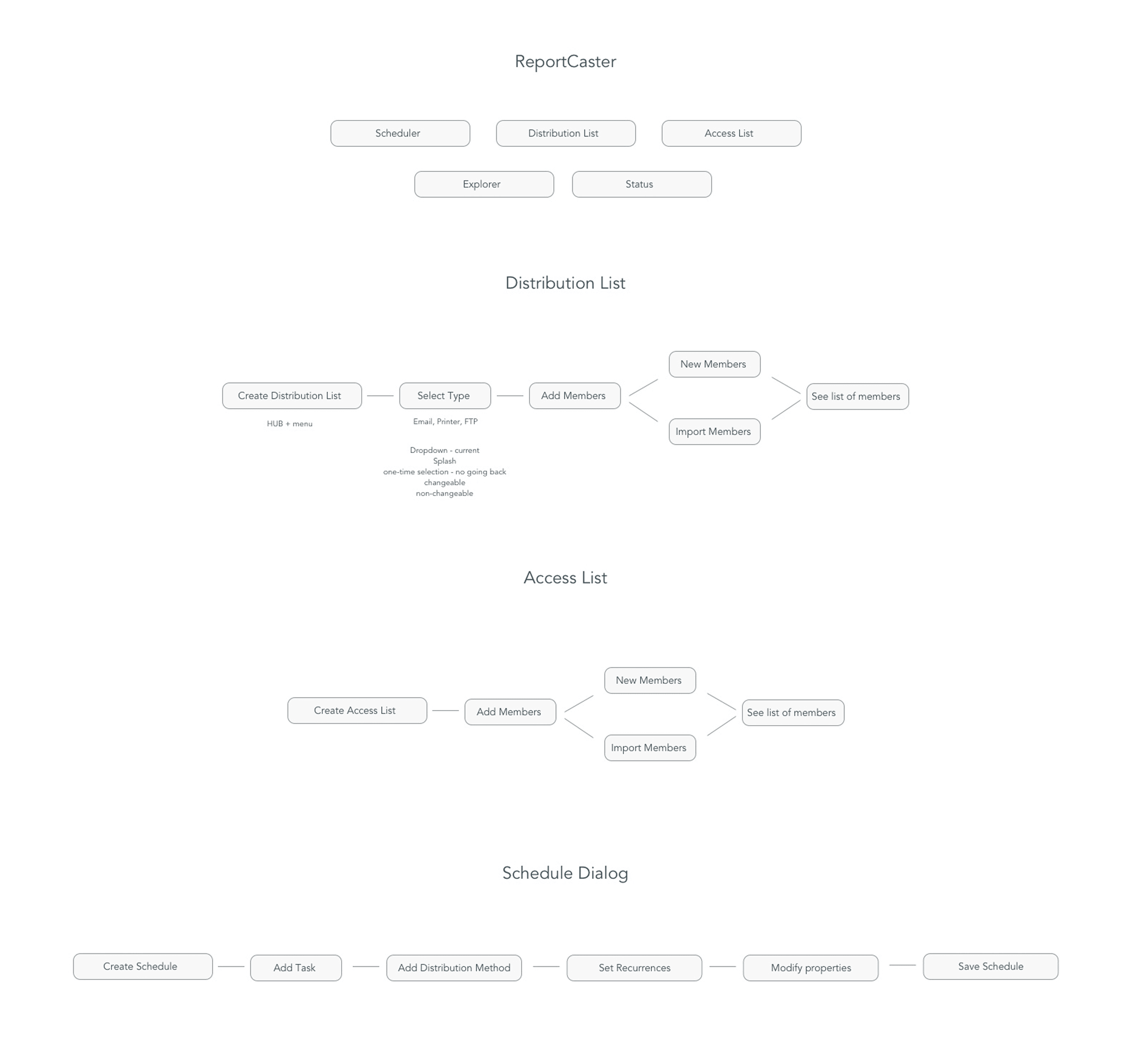
5 scattered subsystems → 1 unified model
I thought — let's create it like a unified product, with similar consistency. Beautiful. Rejected. Created a plugin version. I loved it the most. Also rejected.
Version 1
I created a fully independent version. Beautiful. Looked exactly like the rest of the product. Seamless and easy to use.
“That's not the direction. They want the HUB to be central.”
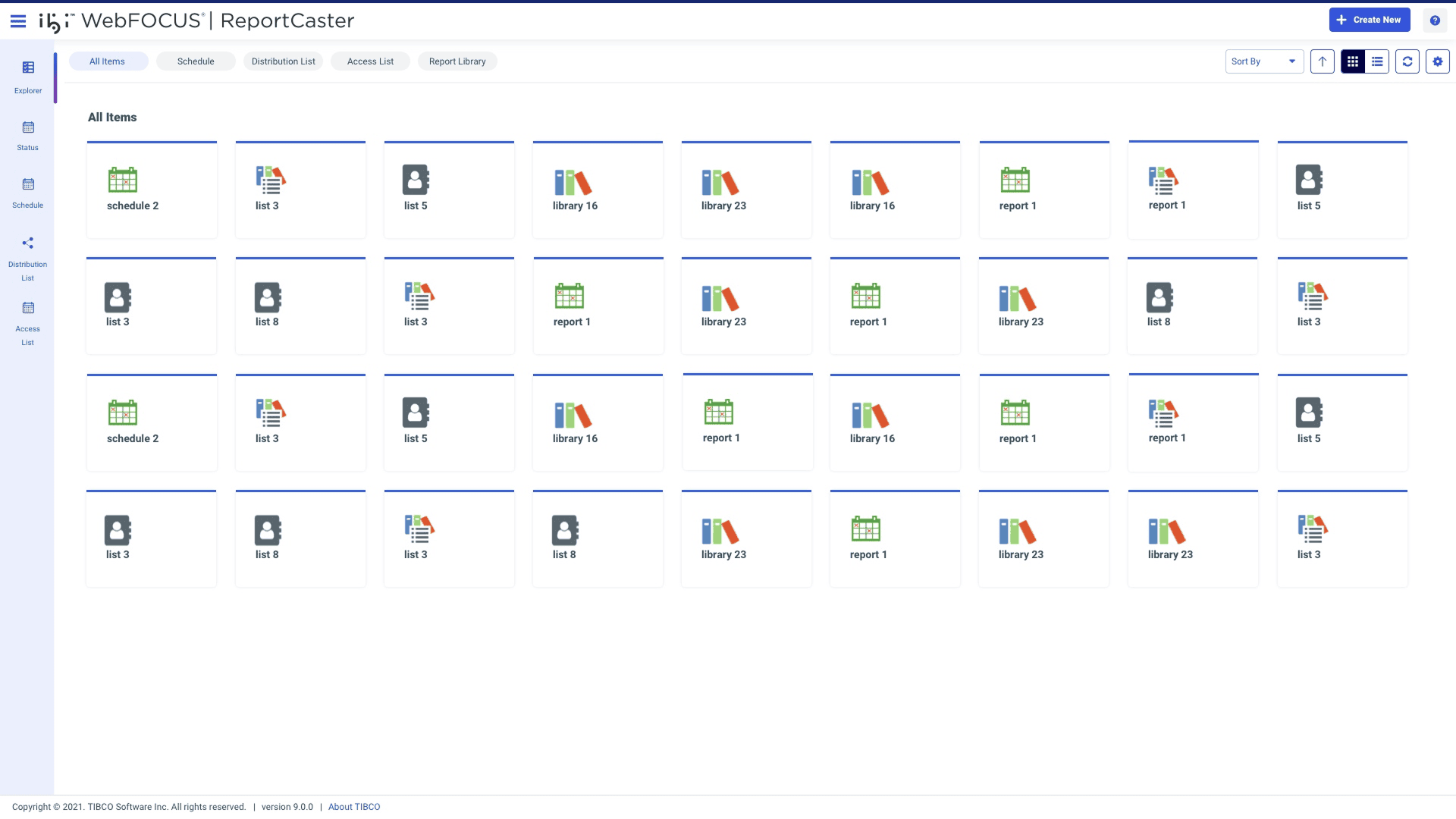
RC Independent V1 - Home
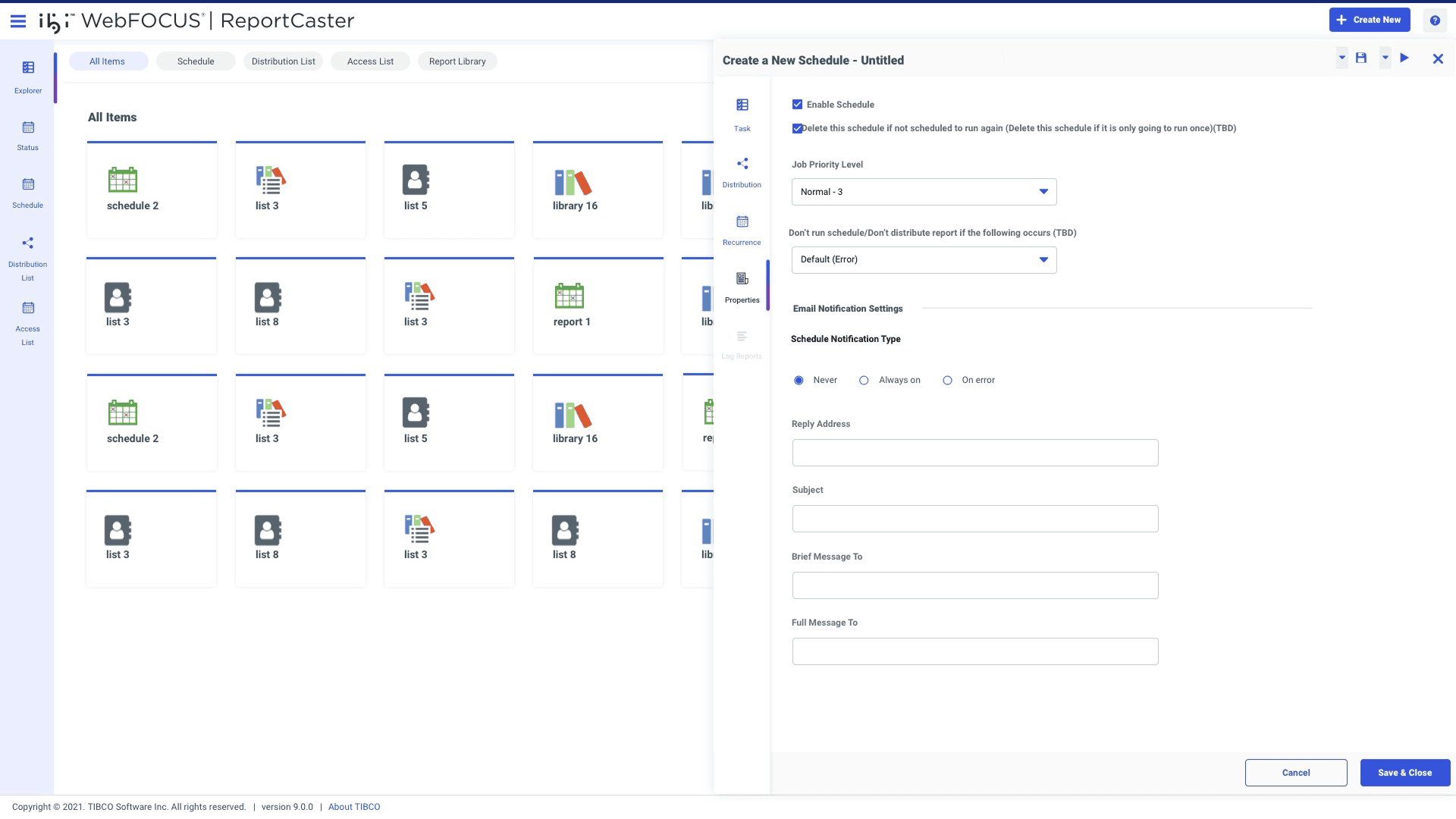
RC Independent V1 - New Schedule
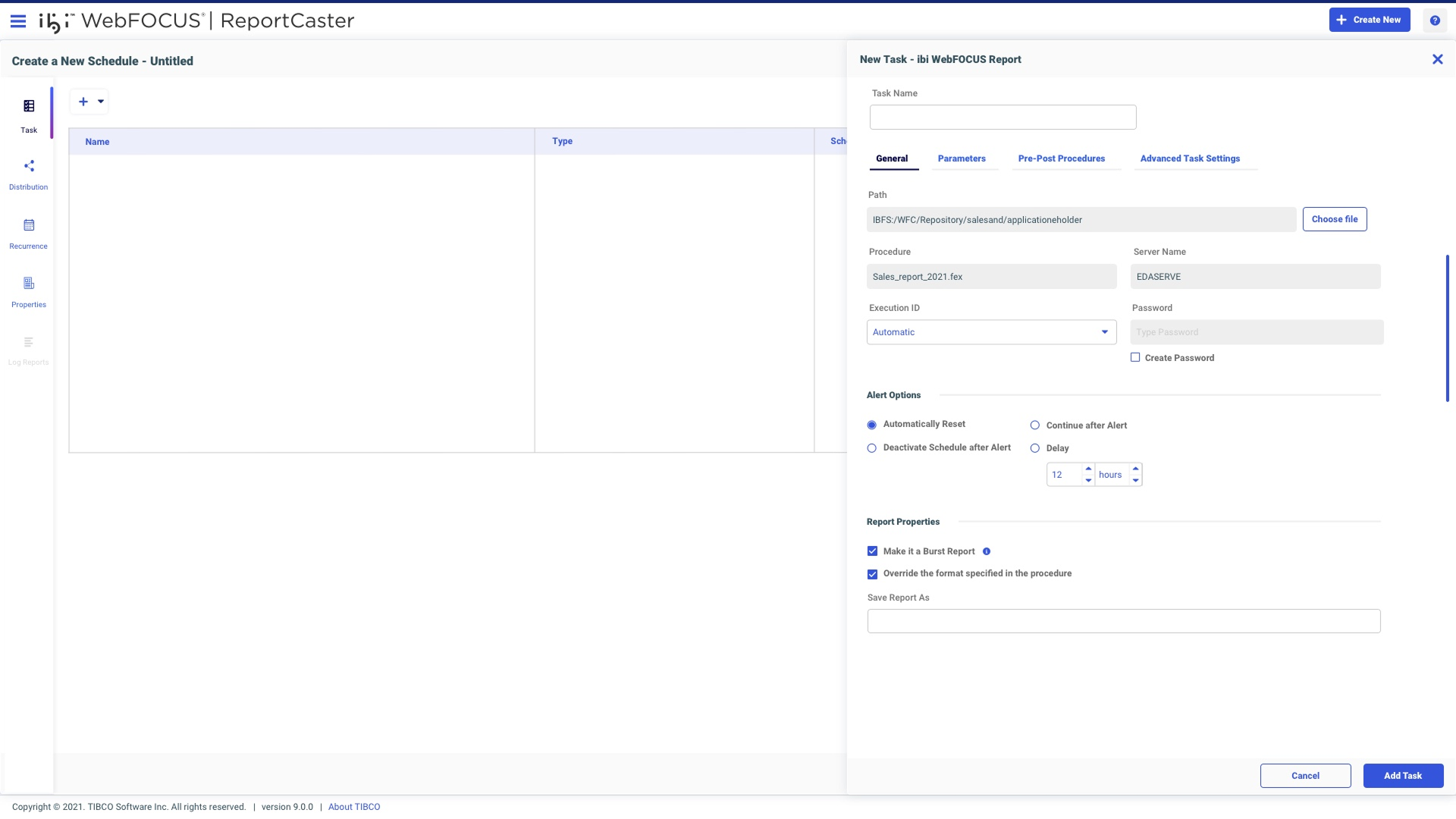
RC Independent V1 - Schedule Task
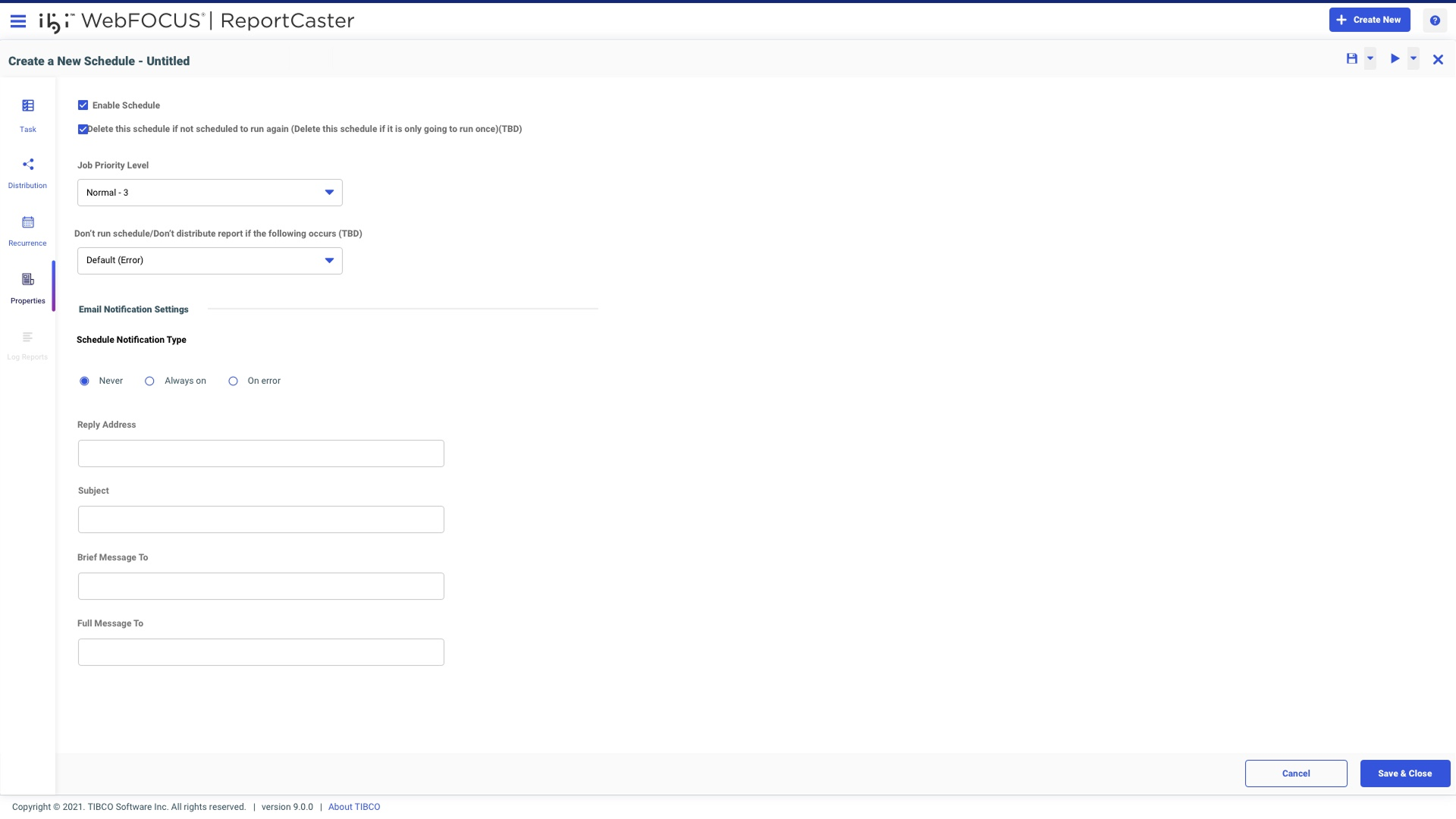
RC Independent V1 - New Schedule Full screen
RC Independent V1 - Home
Version 2
I created a version where the entire independent version was integrated in the HUB in a plugin form. I loved this version the most.
“Too much to create a new plugin. Too much engineering effort.”
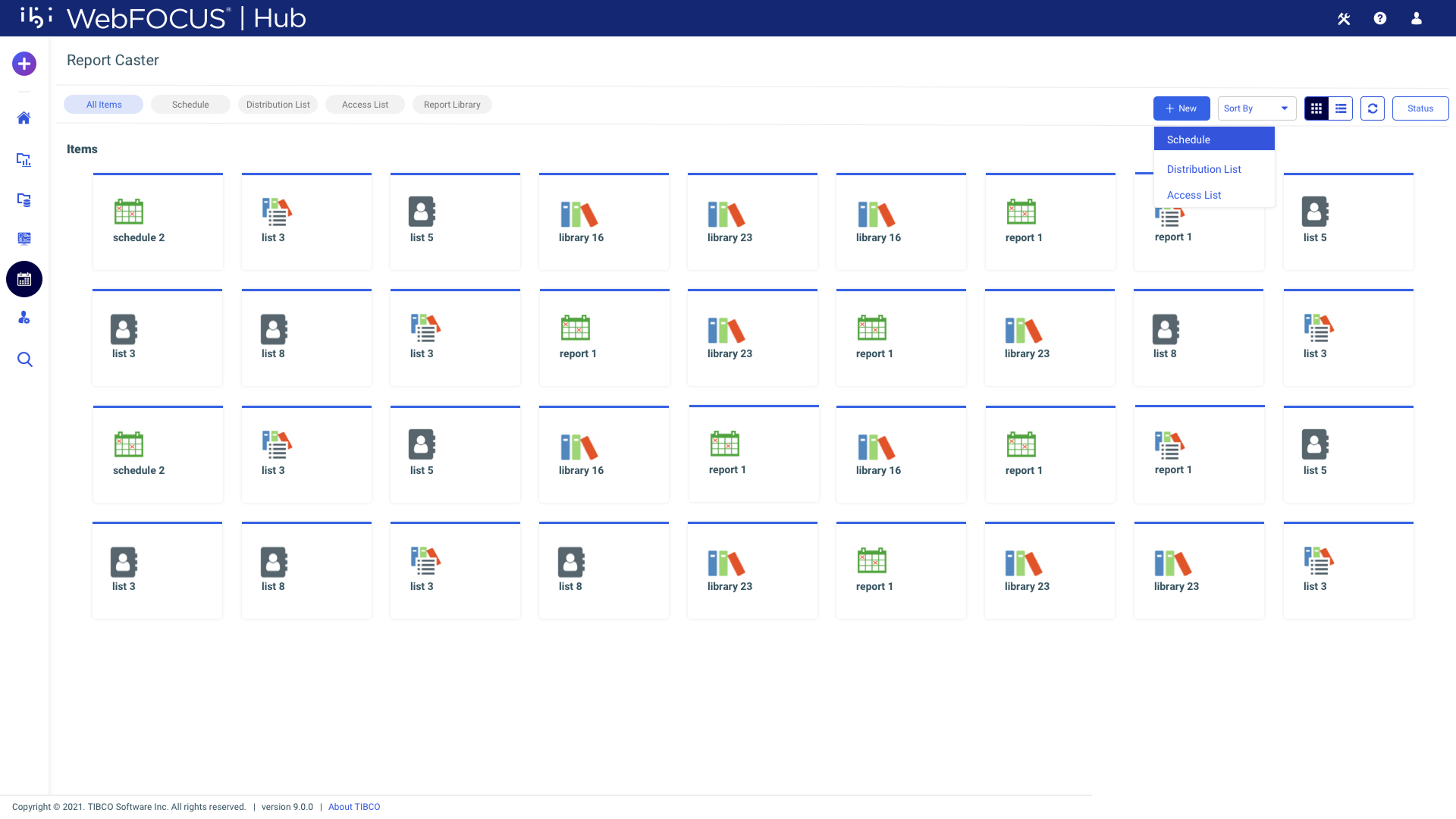
RC Hub Integration V2.1 - Home
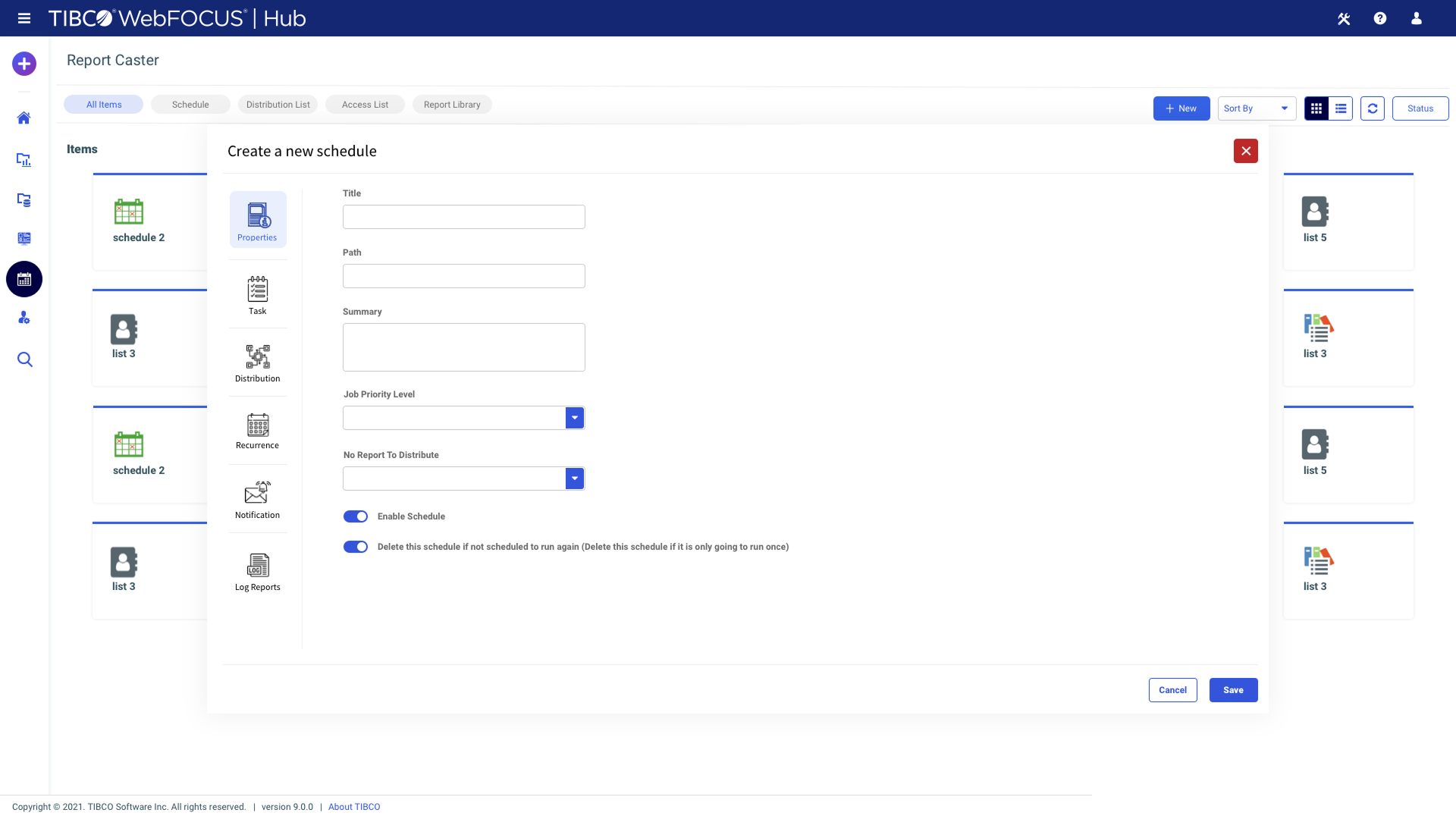
RC Hub Integration V2.1 - Create new schedule
.png)
RC Hub Integration V2.1 - Admin
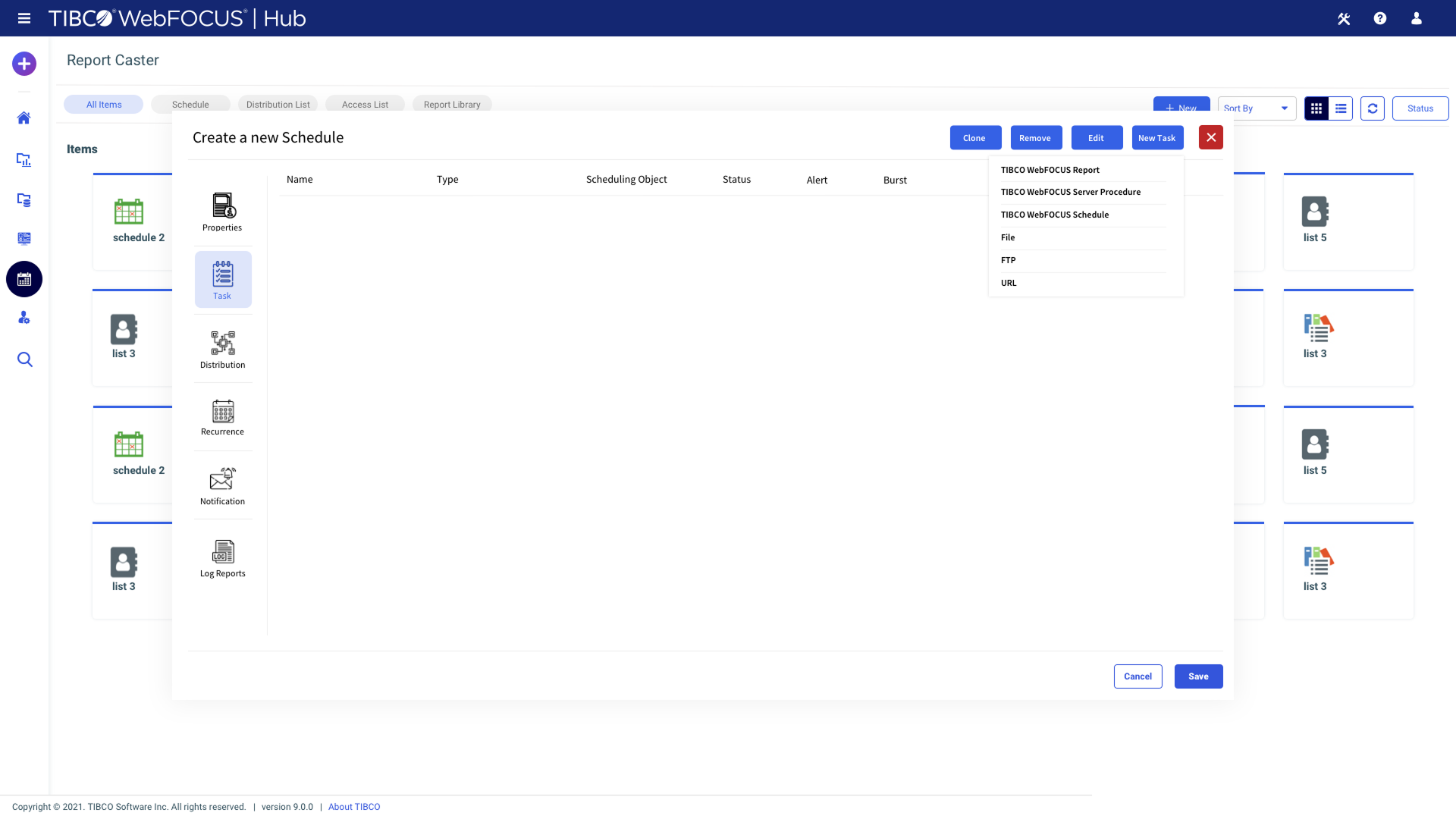
RC Hub Integration V2.1 - New task
RC Hub Integration V2.1 - Home
Every major workflow in the platform starts from the + menu. That's not just UI — that's platform architecture. If RC is a creation workflow, why not initiate from + menu?
There it was — the final workflow of ReportCaster.
Instead of separating basic scheduling and advanced settings across disjointed forms, I built a single intelligent dialog. It feels lightweight out of the gate but progressively scales up in capability, adapting directly to user requirements natively from the Hub.
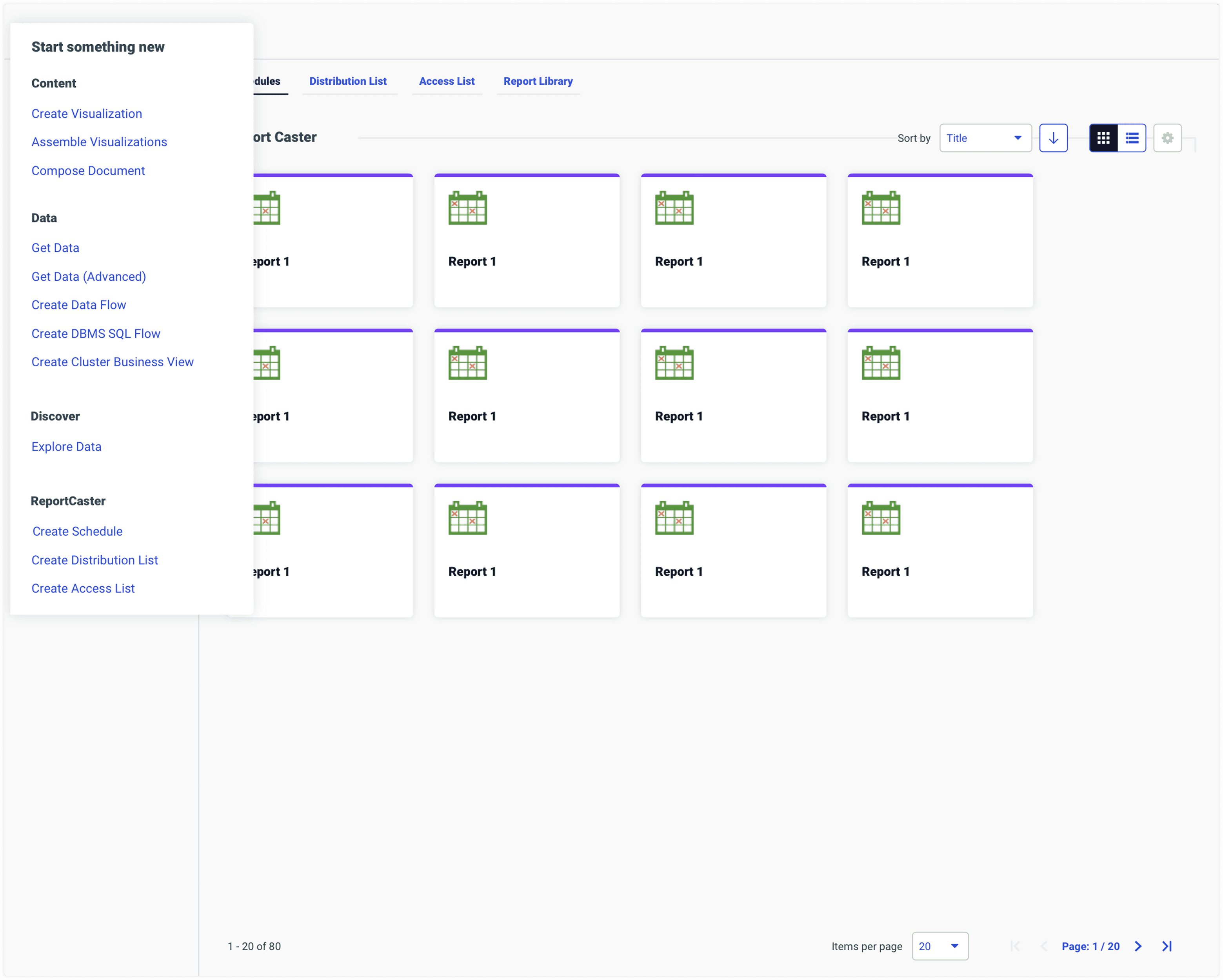
Initiated right from the + Menu
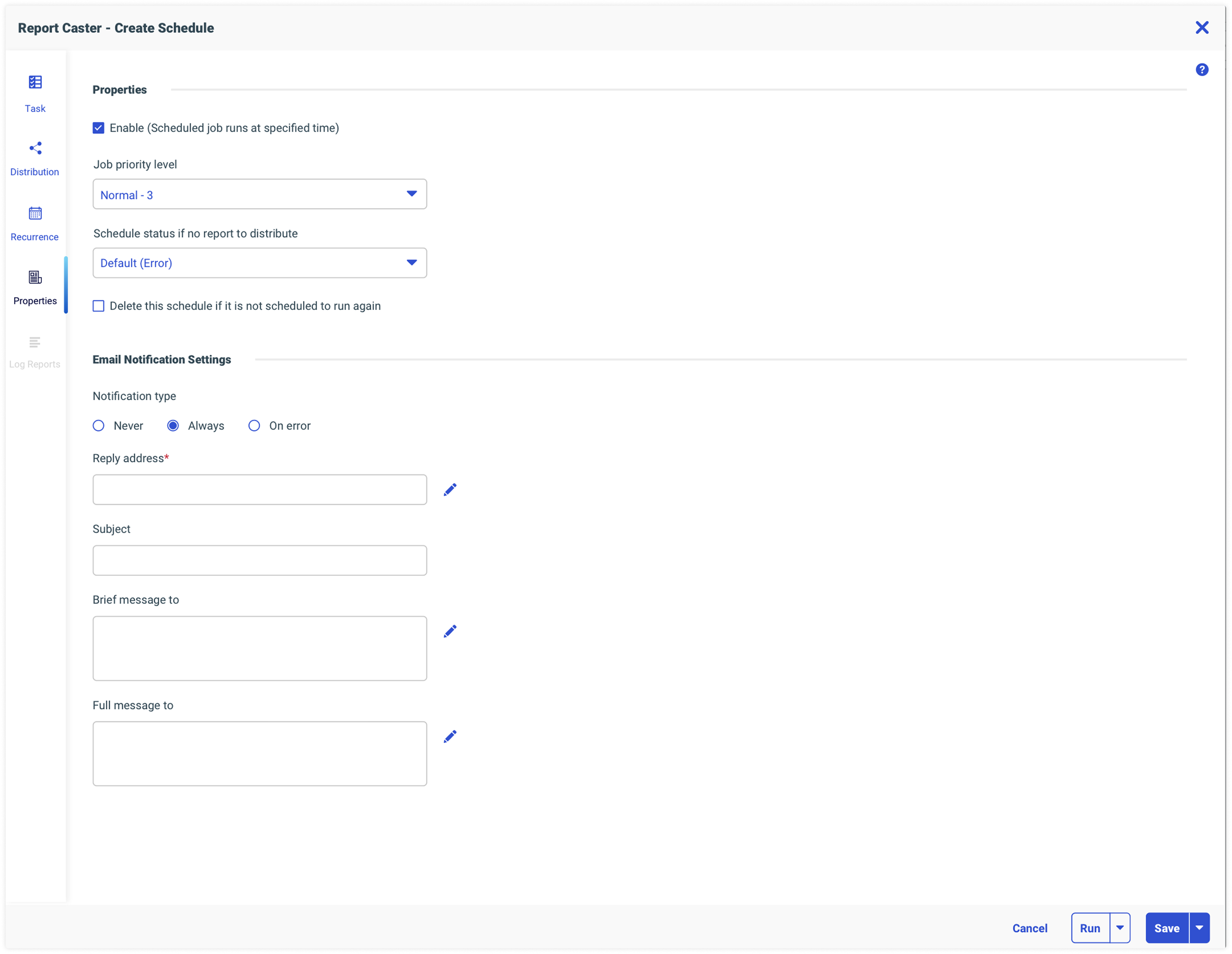
Unified, progressive creation flow
Cryptic legacy codes were replaced with human-readable, auto-generating sentence summaries. The recurrence engine protects users from configuration errors using smart inline validation, hiding complexity like blackout days until absolutely needed.
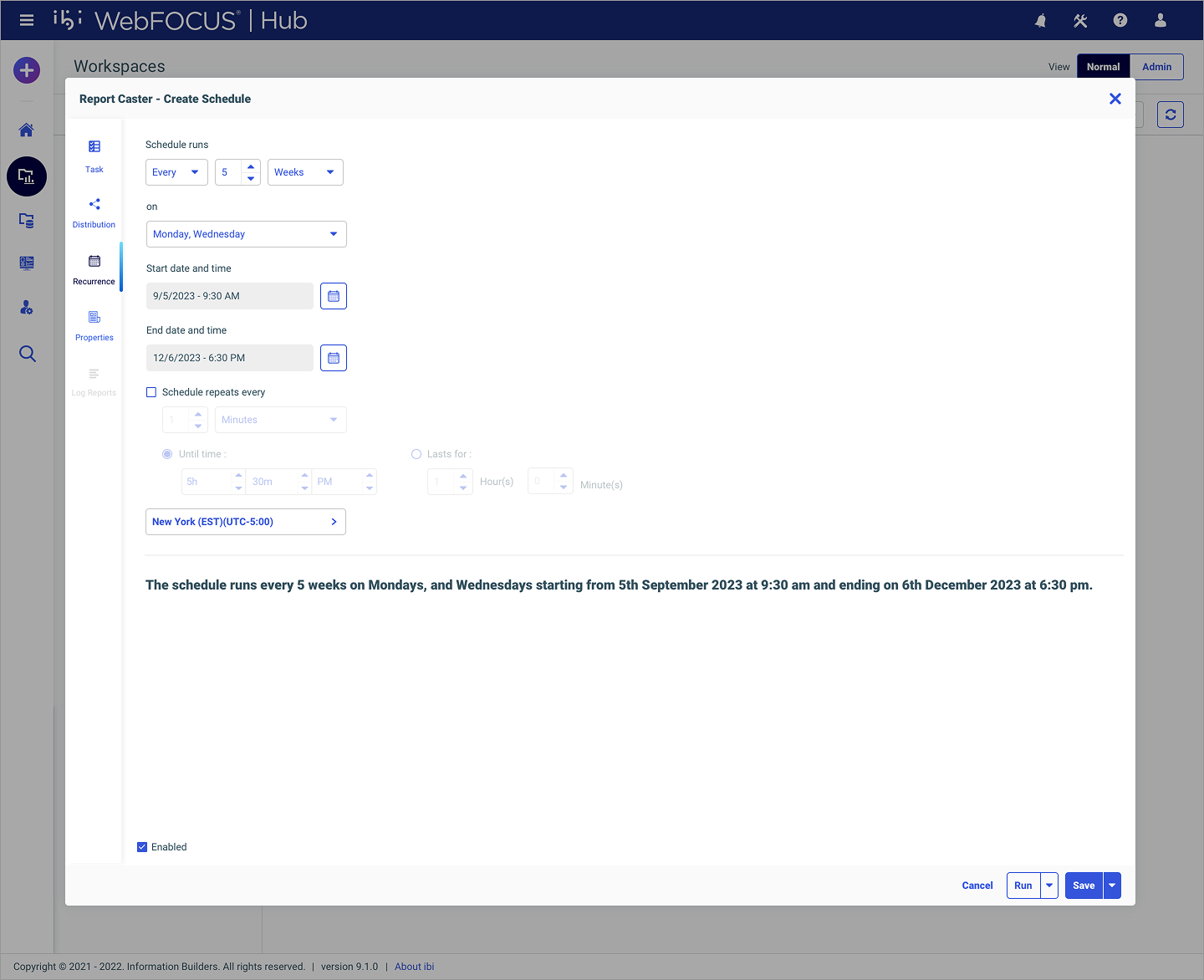
Natural language summary auto-generates
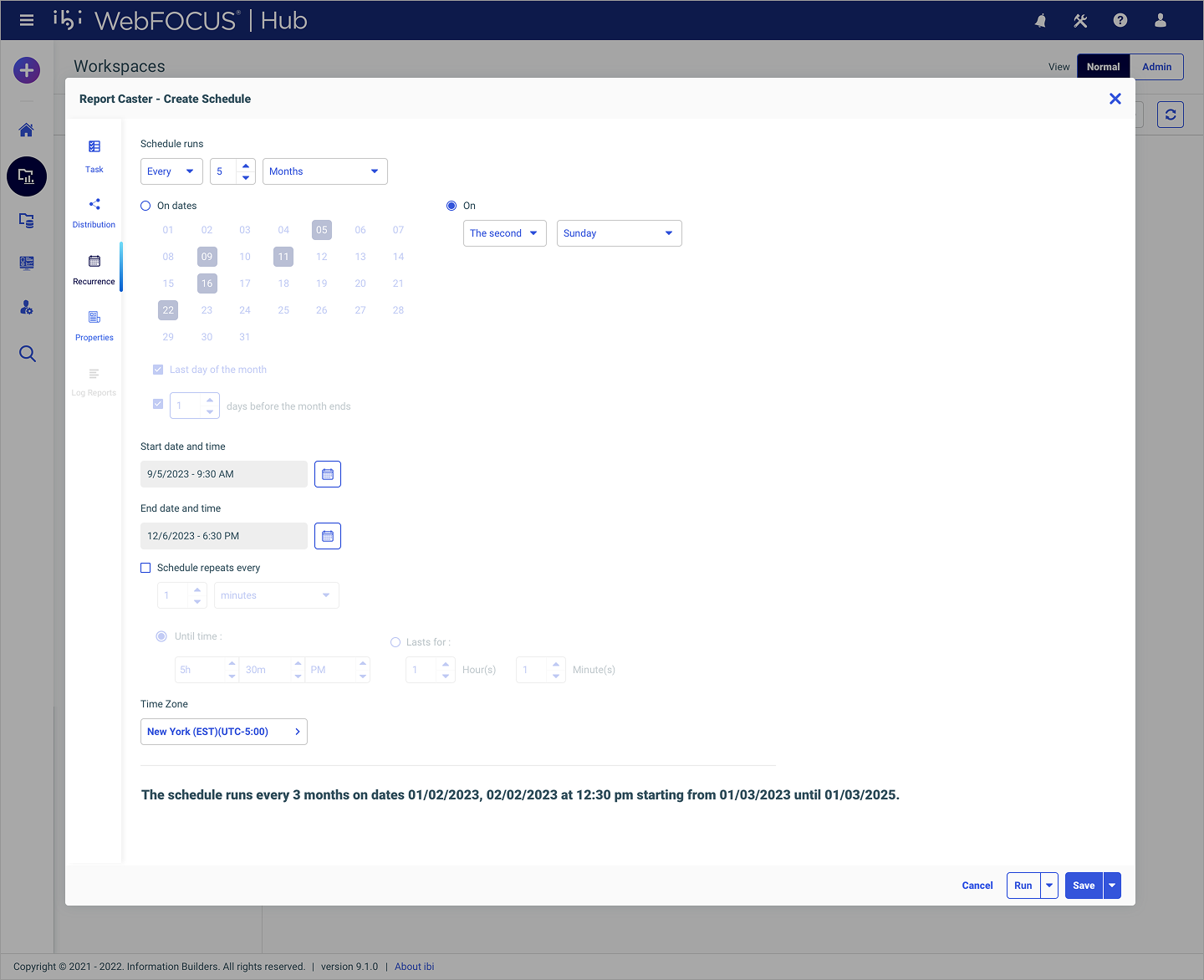
Monthly pattern granularity
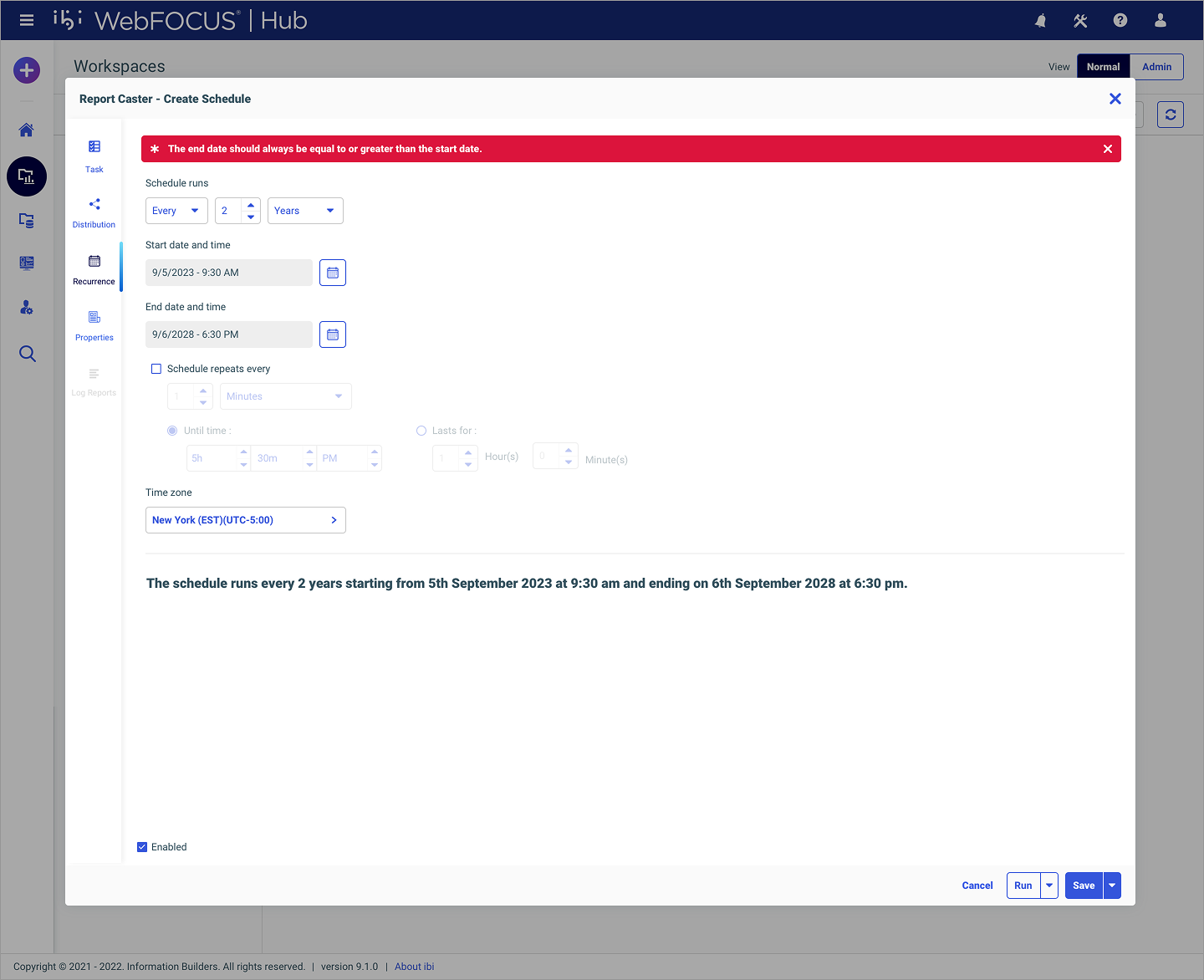
Instant inline semantic verification
Managing distribution channels and security was previously an afterthought requiring complex navigation. We elevated them into first-class searchable assets. Whether you're configuring a network directory or an internal access list, the interaction paradigm remains identical.
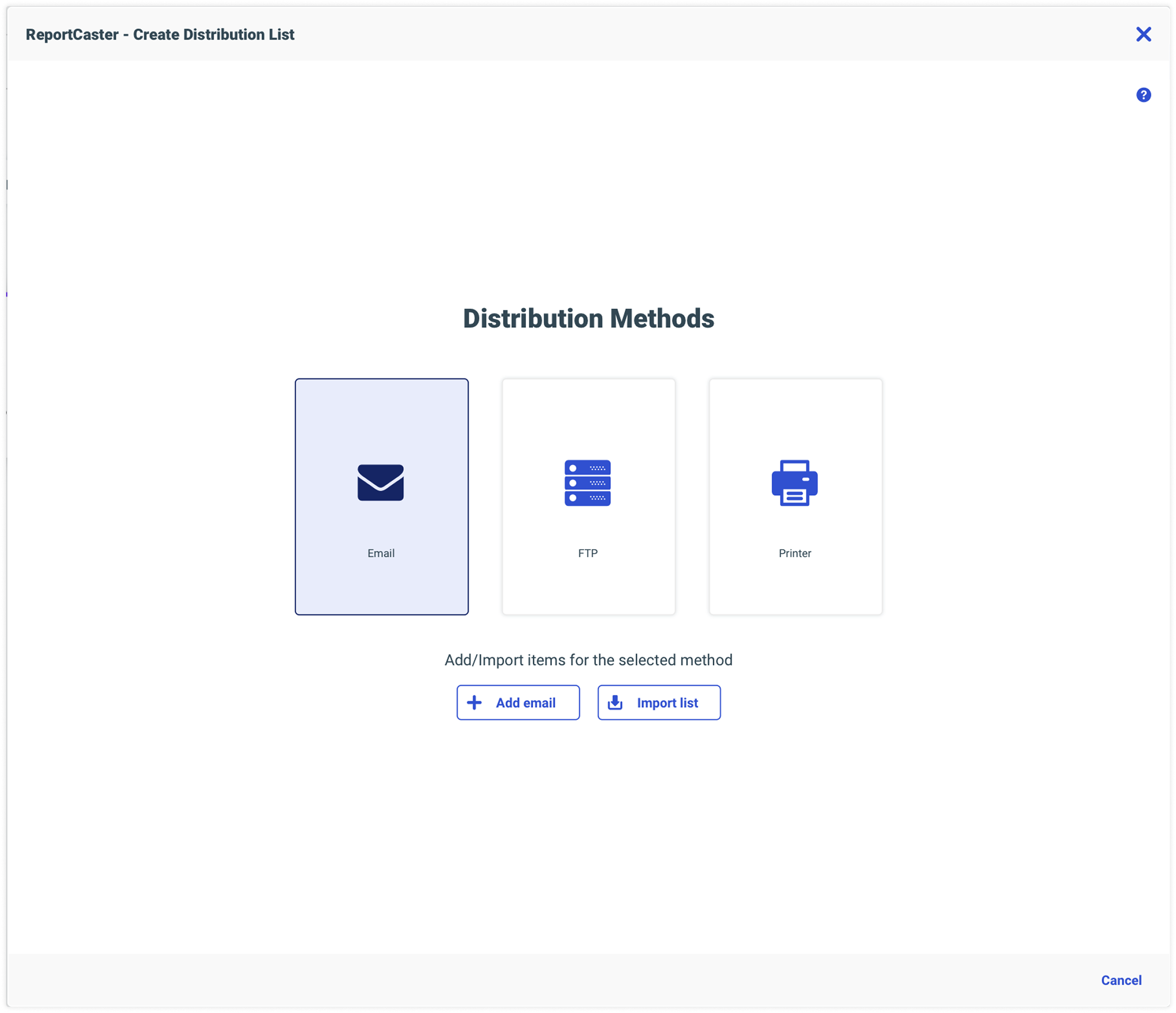
Distribution Lists as first-class objects
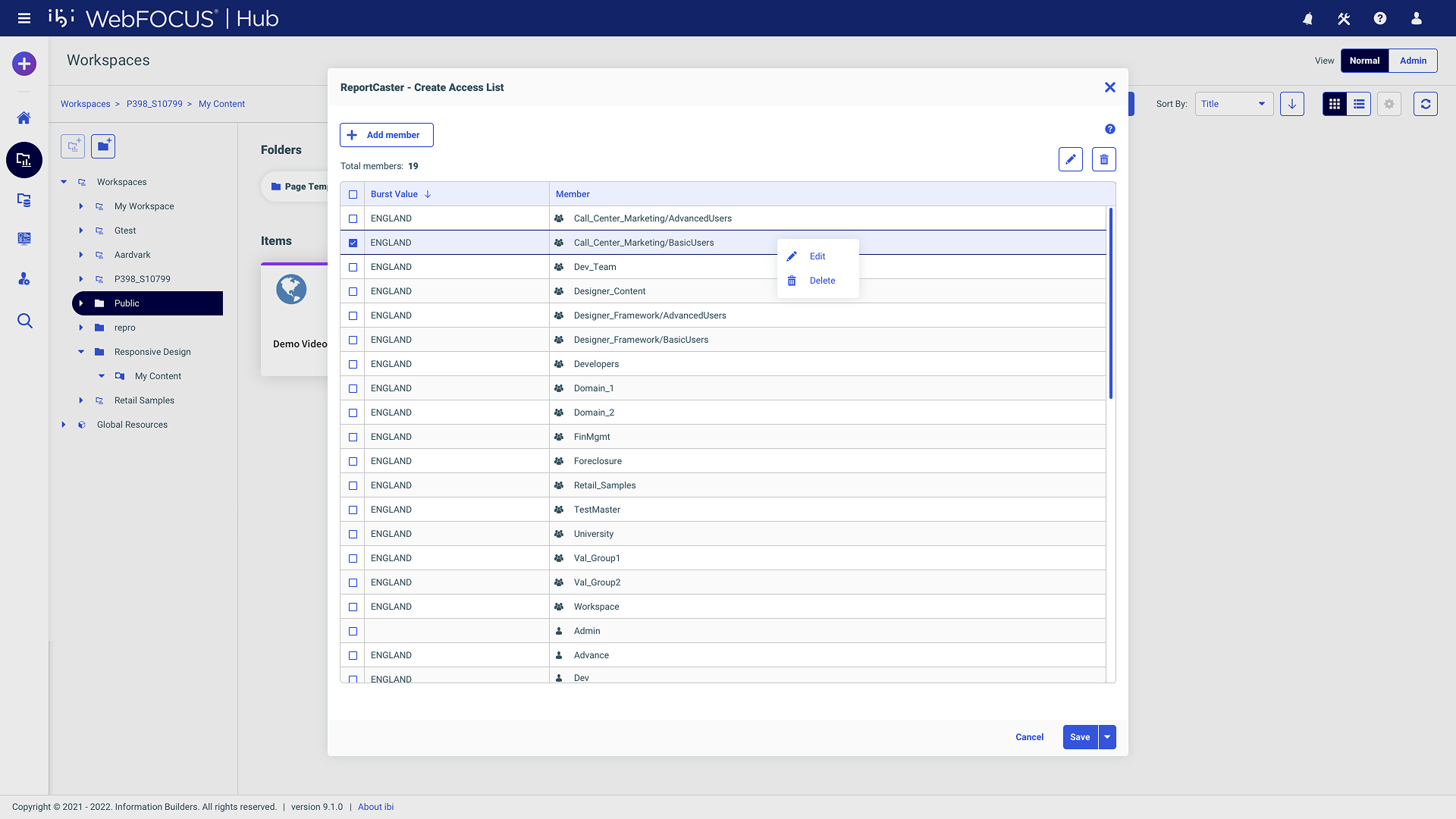
Consistent context menu management
Historically, running job logs popped out as completely detached web pages spanning thousands of rows of code. By designing a native embedded viewer with filtering and deep search directly within the UI, diagnosing scheduling failures became an instant, seamless action.
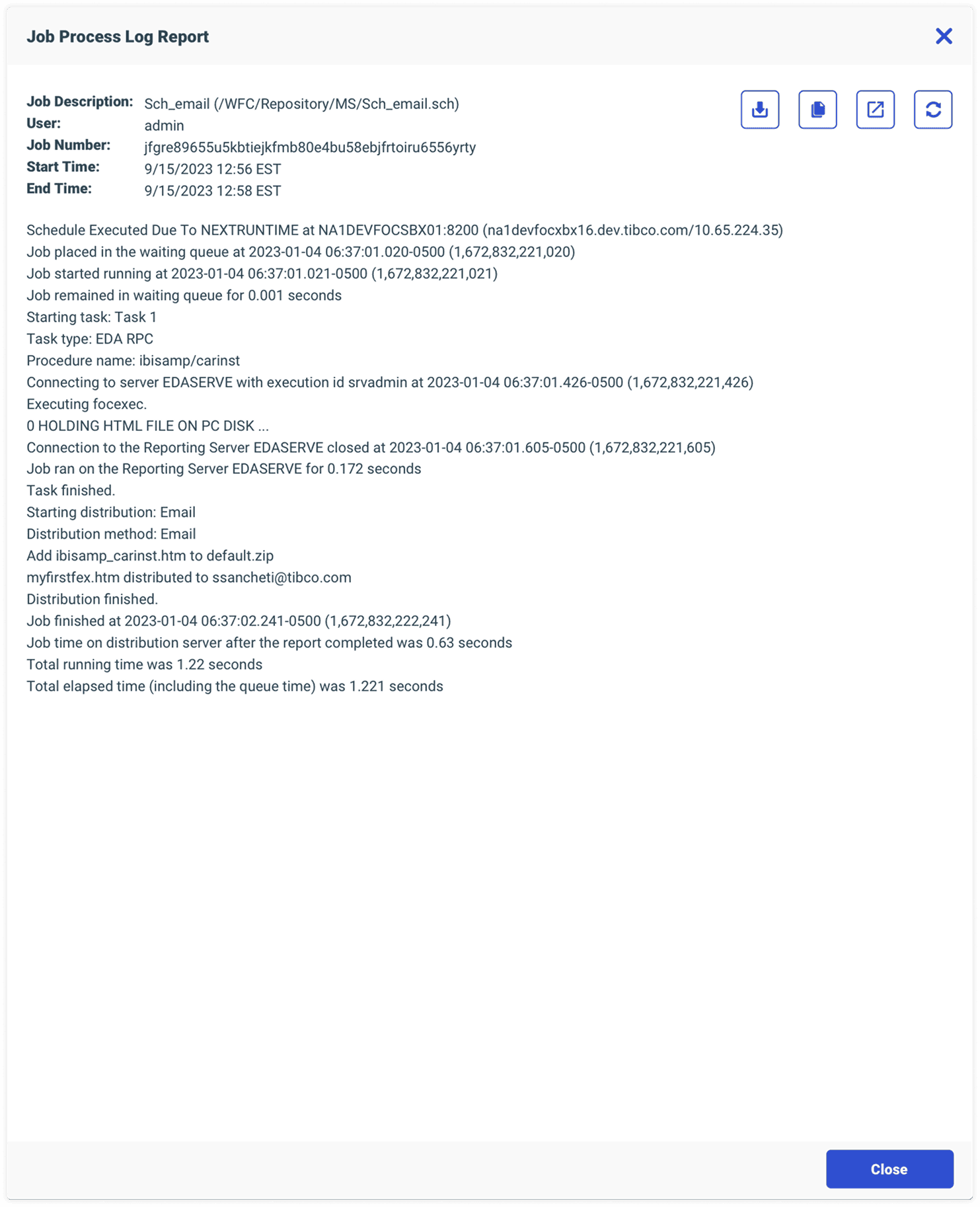
Fully embedded contextual log analysis
Finally, the overarching environment. The ReportCaster Explorer aggregates schedules, access lists, and distribution rules in a single native Hub view. Administrators get dedicated, high-level status monitoring without jumping into an entirely separate enterprise module.
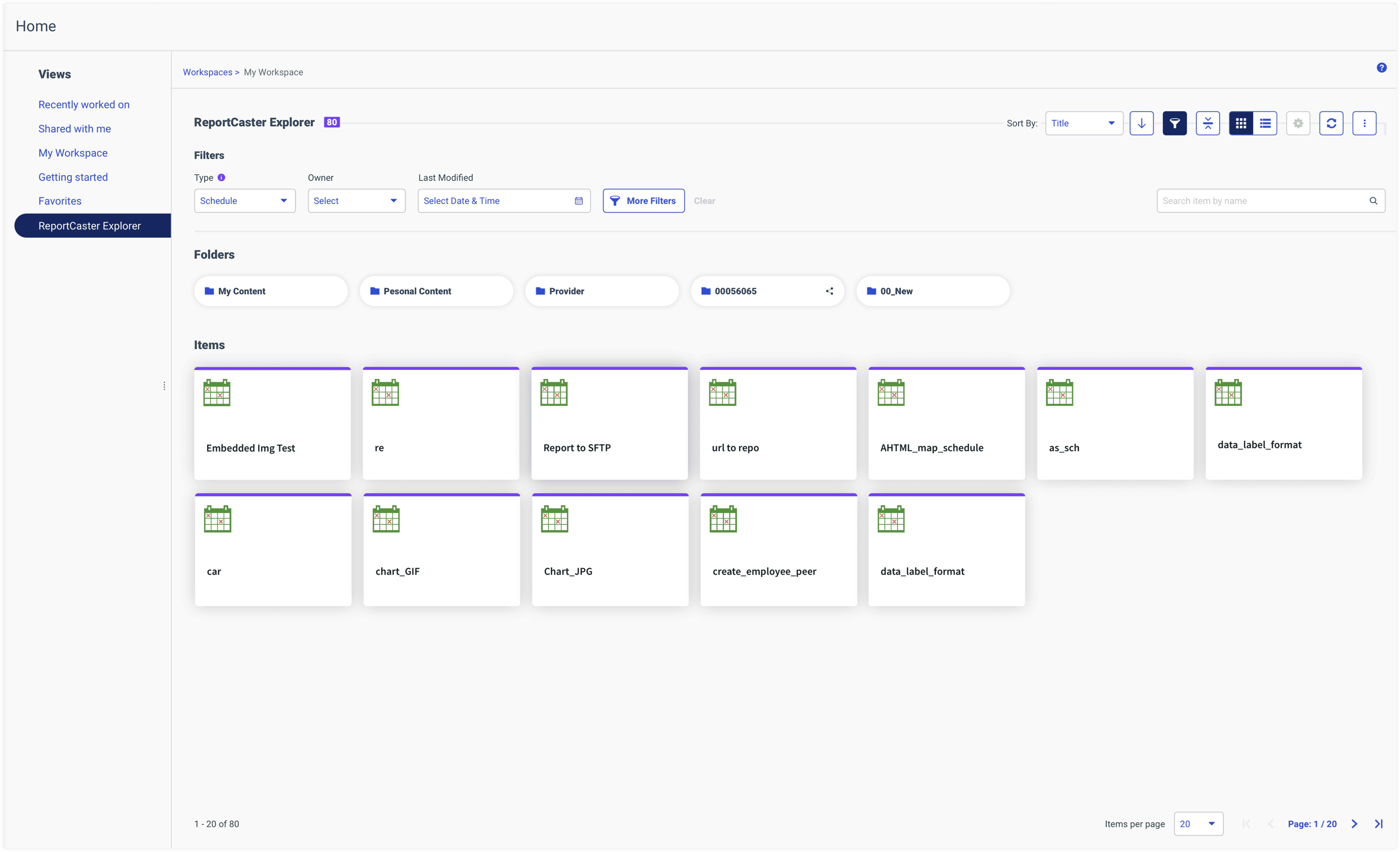
A unified asset overview
.png)
Dedicated administrative monitoring
Hundreds of screens done. But the people who were going to work with me — lead architect, lead engineer, core engineers, QA, new PM — they were unaware of ReportCaster.
The first people I onboarded were the lead architect and the lead engineer. Design discussions were finalized with them.
Then came the entire group of engineers, new PM, the QA team, the documentation team. Dozens of demos of the old and new ReportCaster to everyone.
Two projects, a 1-year-old at home, all day. I was running RC and ML simultaneously while most of the team focused on a single feature.
3 designers on one feature. I was trusted with two. That said something about how leadership felt about my ownership and output.
I borrowed one junior designer. I onboarded her and made sure she knew everything I did. Eventually I left the team. Let that designer and another one take over. My job was mainly done — I had done all the heavy lifting.
Shipped. From 4 clicks to 2. No more individual browser tabs. Everything smoothly integrated within the hub ecosystem. Customers noticed.
Legacy Workflow
New Unified Workflow
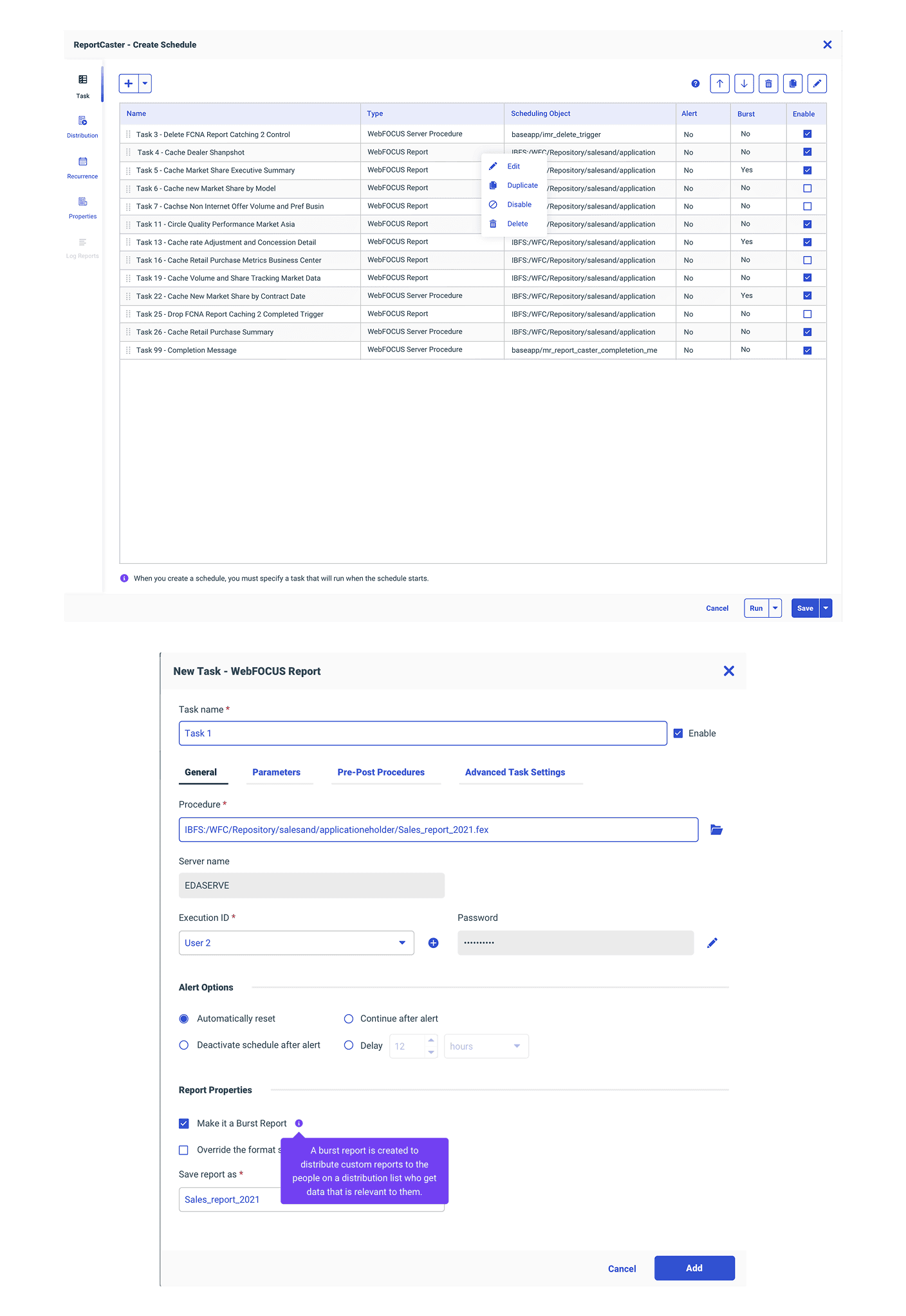
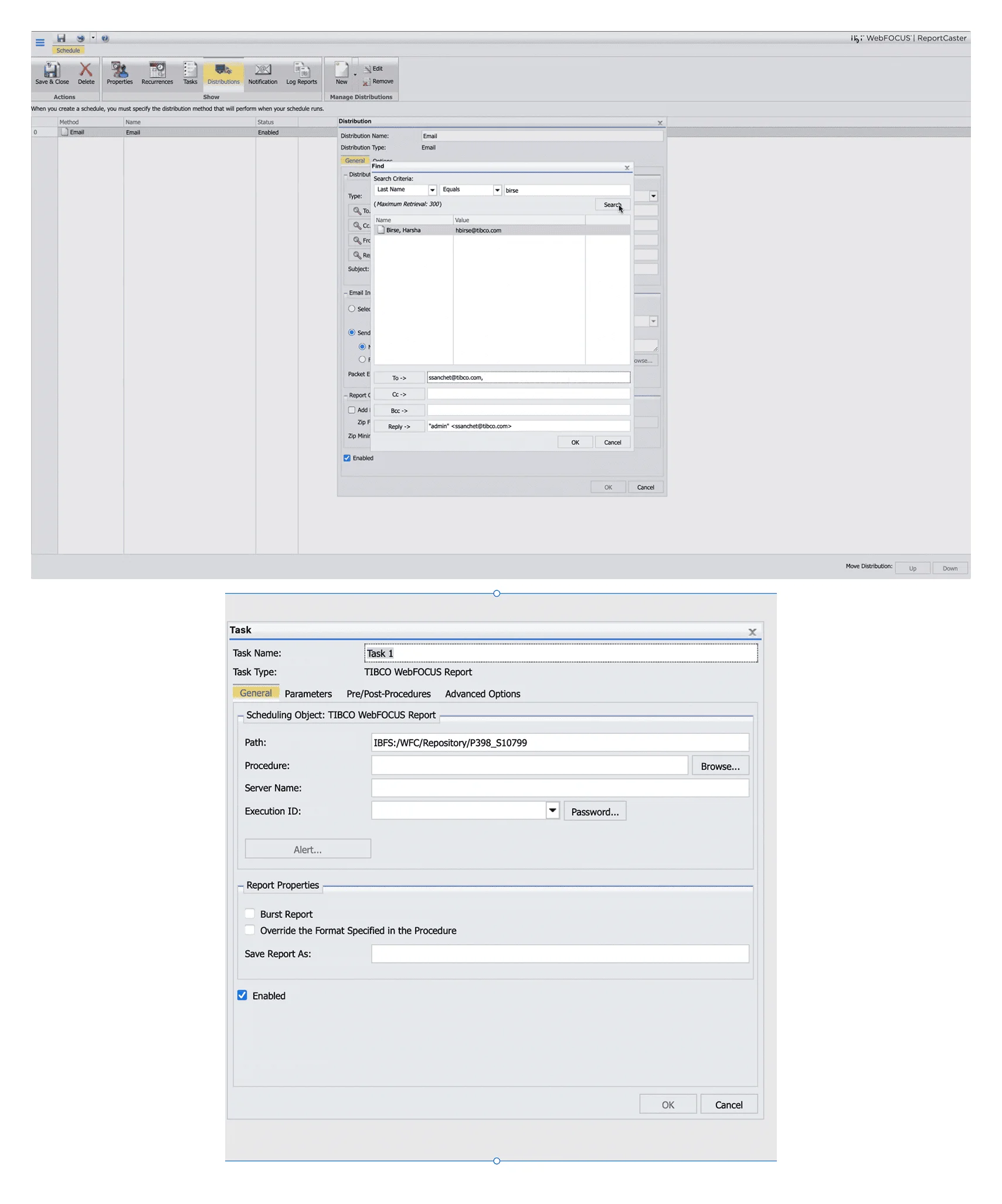
At the Virtual User Group, a customer praised the redesign directly and said he was looking forward to what's next. A 5-year contract worth millions was signed after RC shipped.
WebFOCUS 9.3 became the platform's first Long-Term Support release — 5 years of guaranteed stability. The RC redesign expanded into 3 follow-up releases with features I designed for but the PM added post-launch.
I won some and I lost some with RC, but I grew immensely. I did things I never did before. I matured. I learned leadership.
“She impressed everyone with how quickly she grasped all aspects of a highly intricate system and translated that understanding into a clear, modern, and user-centered design.”
— Yingchun Chen, Principal System Software Engineer
“Anuja brings energy and determination to tackling complex design challenges. She approaches her work with a fearless attitude and is never afraid to explore new ideas.”
— Dave Pfeiffer, Director of Design
Embedded Explorer View: Embedding the RC Explorer view directly into Hub workspaces instead of a separate filtered view. This would have expanded the pattern to Designer, Reporting Server—everything. That's my biggest regret.
Product-Wide Integration: Integrate ReportCaster product-wide—schedule from Designer, Reporting Server, IQ Plugin. Imagine generating an insight and immediately scheduling it. That's the vision.
From hearing customers hack their way around the UI — to shipping an experience that made them excited about what's next.
I had never felt so proud of myself.
RC made me the design leader I am today.
Recorded 3 days after leaving CSG. 5 AM. 100 takes. This was the one.
“Collaboration doesn't just transform products, it transforms people.”